
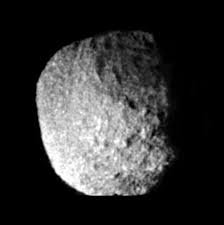
Proteus: Neptune’s Dark, Irregular Inner Moon Explained Facts Overview

Proteus (Neptune VIII) is the second-largest moon of Neptune and the largest of its inner, regular satellites. It was discovered in 1989 by the Voyager 2 spacecraft and is an irregularly shaped, extremely dark body, lying just below the size threshold at…
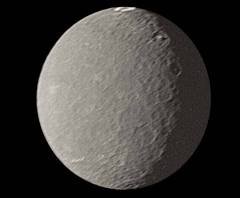
Umbriel Dark Ancient Cratered Secrets Explained Mysteries
Umbriel is one of Uranus’s five major moons and stands out as the darkest, oldest-looking, and most heavily cratered of the group. Discovered in 1851 by British astronomer William Lassell, Umbriel was named after a shadowy gnome-like character from…
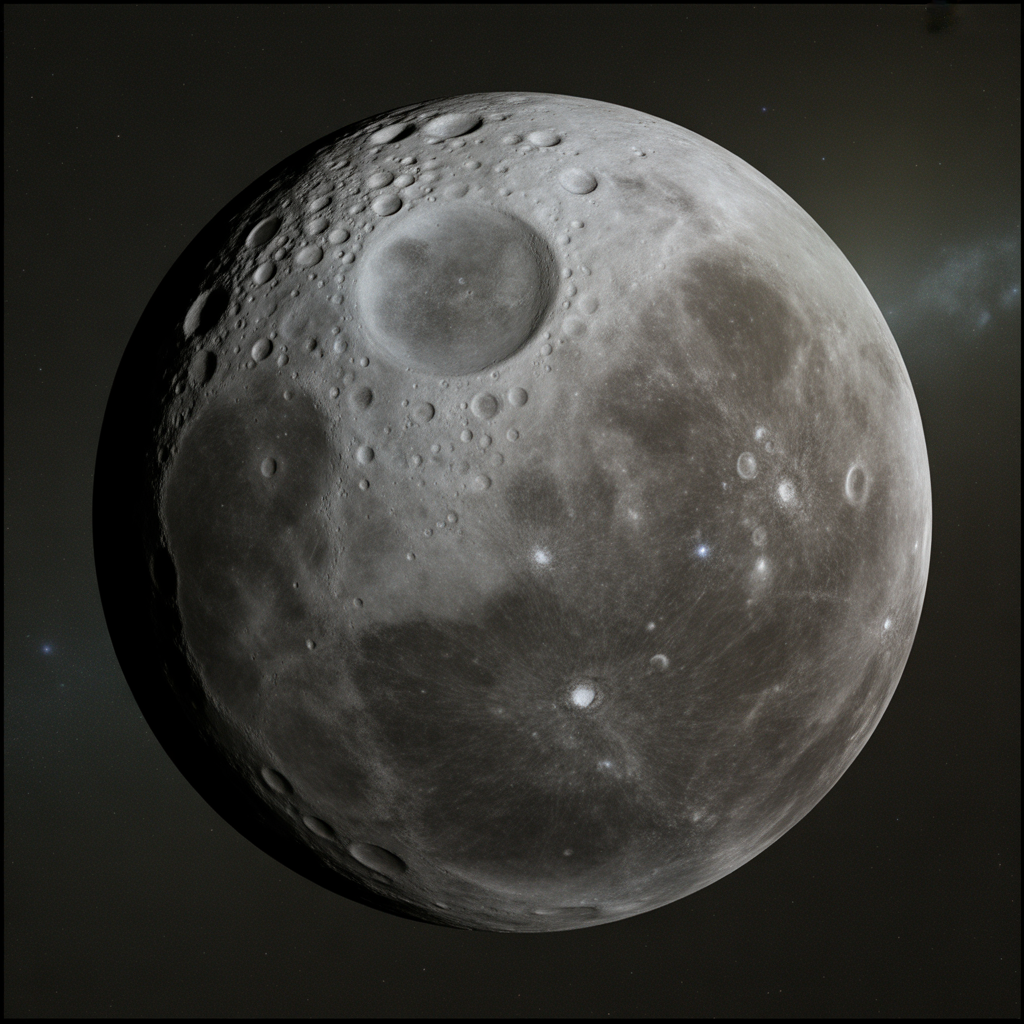
Oberon Moon of Uranus Ancient Icy World Overview Guide
Oberon is Uranus’s second-largest and outermost of the planet’s five major moons. It was discovered in 1787 by William Herschel and named after the fairy king in William Shakespeare’s A Midsummer Night’s Dream. Oberon has a dark, slightly reddish surface…
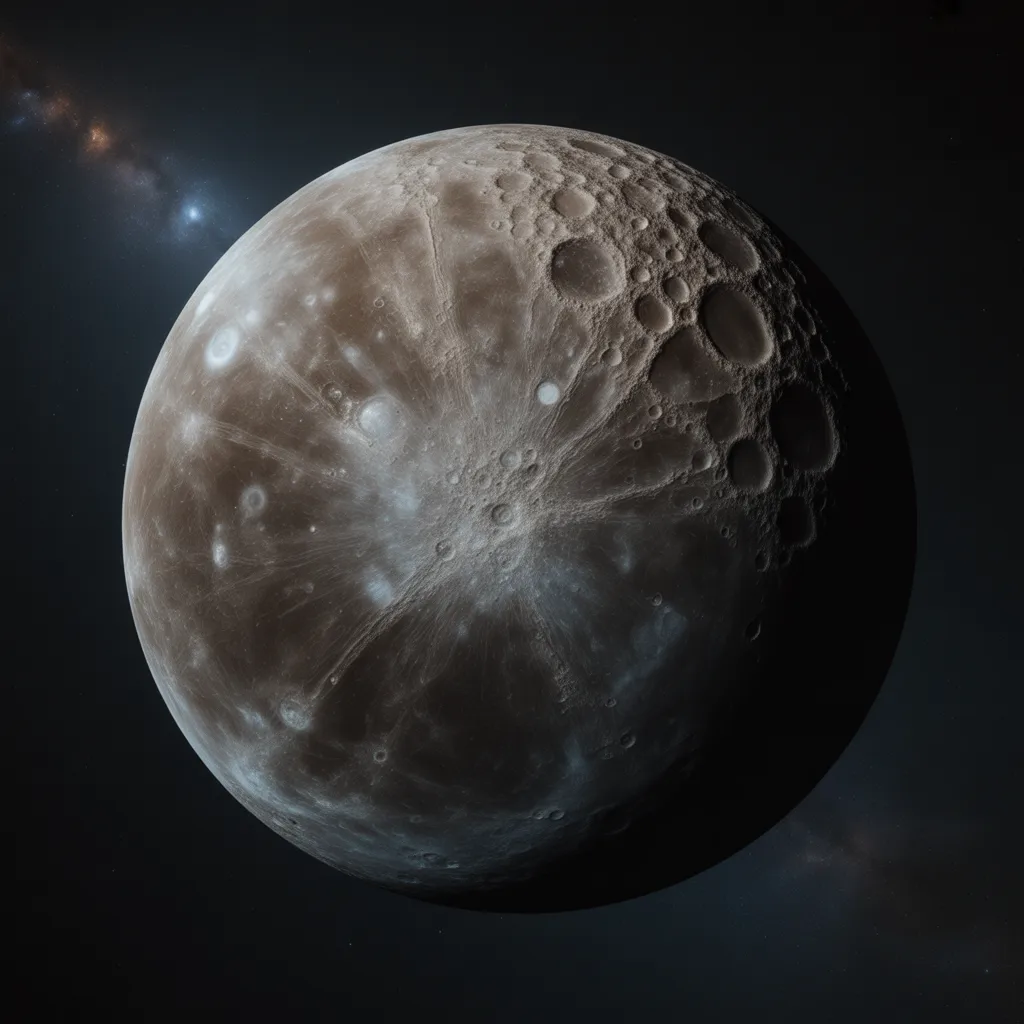
Titania: Uranus’s Largest Moon with Striking Geological Features
Titania is the largest moon of Uranus, discovered by William Herschel on January 11, 1787. It is named after the queen of the fairies in Shakespeare’s A Midsummer Night’s Dream. Titania’s surface is marked by a complex network of faults and valleys,…
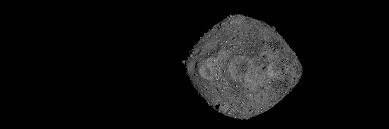
Paaliaq: Saturn’s Irregular Red Moon from the Inuit Group
Paaliaq is an irregular, prograde moon of Saturn, known for its light red coloration and an estimated diameter of approximately 22 kilometers. Discovered in October 2000, it is part of the Inuit group of moons, which are believed to have formed from the…
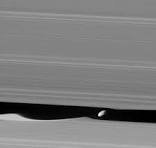
Daphnis: Saturn’s Shepherd Moon Creating Ring Waves
Daphnis is a small, football-shaped moon of Saturn, discovered in 2005. It orbits within the Keeler Gap, a narrow opening in Saturn’s A ring. Due to its gravitational influence, Daphnis disturbs nearby ring particles, generating distinctive wave-like…
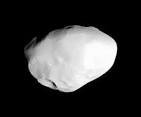
Telesto: Saturn’s Smooth Trojan Moon at Tethys’ Lagrange Point
Telesto is a small, icy moon of Saturn with a mean radius of about 12.4 km, making it one of the planet’s tiny moons. It shares Tethys’ orbit and resides at a Lagrange point (L4)—specifically, 60 degrees ahead of Tethys in its path around Saturn.…
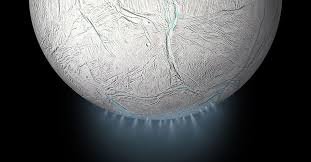
Enceladus Geysers Reveal Subsurface Ocean and Potential Life
Enceladus has active geysers that spew water vapor and ice particles from its south polar region into space. These plumes are a key indicator of a subsurface ocean beneath its icy shell. Scientists believe this ocean is in contact with a rocky core,…
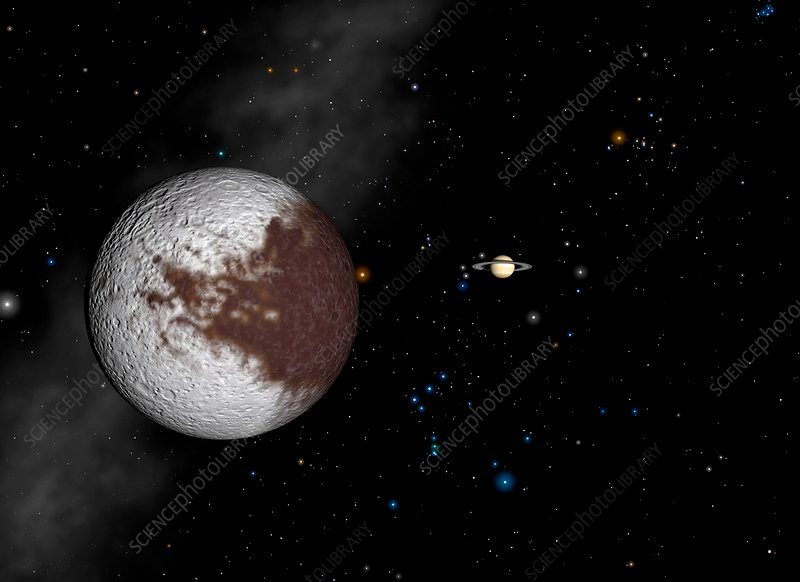
Iapetus: Saturn’s Two-Toned Moon with Equatorial Ridge
Iapetus was first discovered by Giovanni Domenico Cassini in 1671. One of its hemispheres is very dark, reflecting only about 5% of sunlight, while the other is bright, reflecting nearly 50%. The dark material is believed to be composed of carbon-rich…
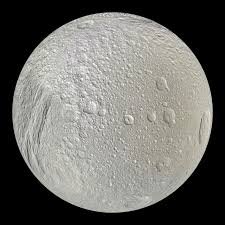
Facts About Tethys: Saturn’s Icy Moon and Craters
Tethys was discovered by Giovanni Domenico Cassini in 1684. It was named after a Titan from Greek mythology. Tethys is Saturn’s fifth-largest moon and orbits the planet at a distance of approximately 295,000 km (183,000 miles). Its orbital period…