
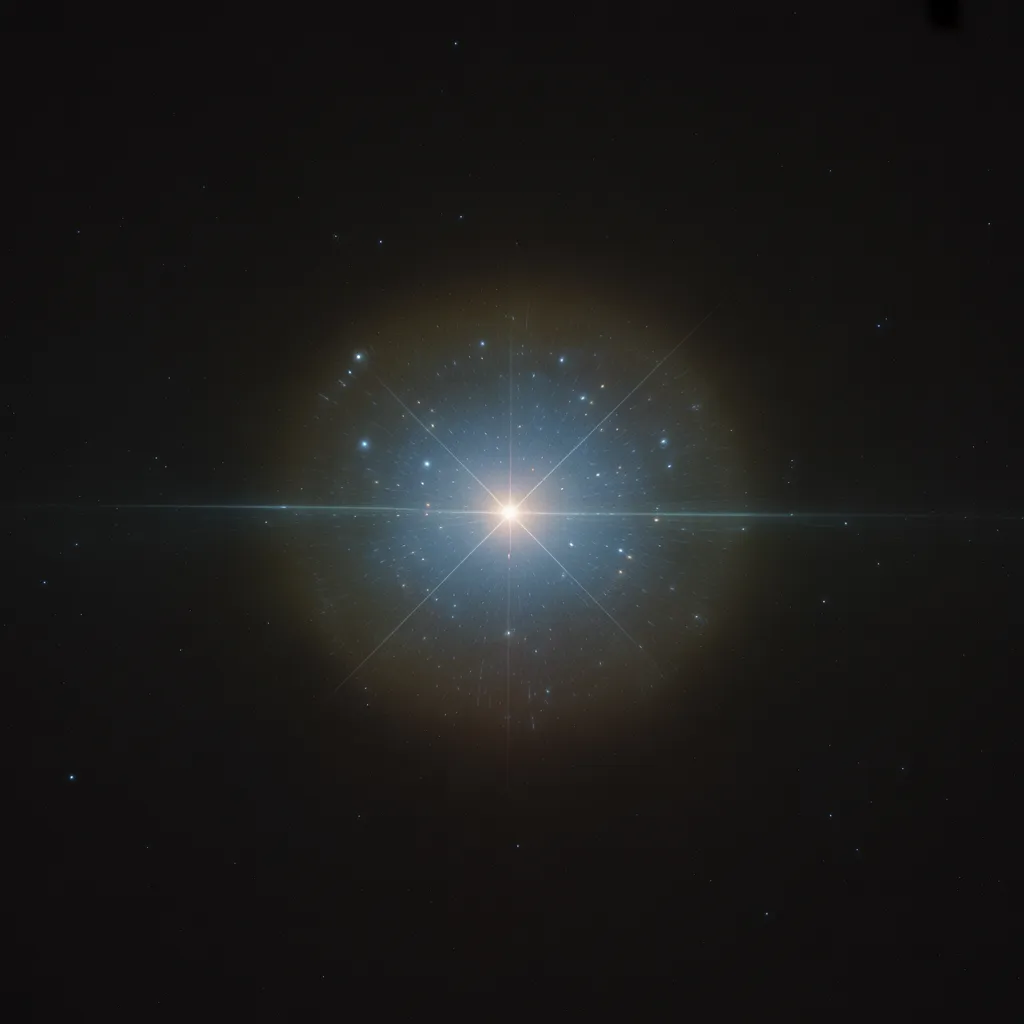
Altair Star Facts: Rapid Rotation and Cultural Legends

Altair, formally designated Alpha Aquilae (α Aql), is a remarkably bright A-type main-sequence star located approximately 16.7 light-years from Earth, making it one of the closest naked-eye stars to our solar system. It is the brightest star in the…
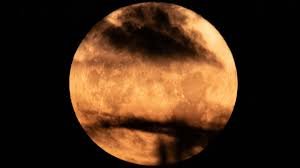
January 2026 Wolf Moon Supermoon Lights Up Night Skies
The Wolf Moon of January 2026 isn’t just the first full Moon of the year—it’s also a supermoon, making it one of the most striking lunar displays of the winter season. This happens because the full Moon occurs near perigee, the point where the Moon’s…

VY Canis Majoris: One of the Largest and Most Luminous Stars
VY Canis Majoris: A Colossal Star in Canis MajorVY Canis Majoris is one of the largest known stars in the galaxy, with a size so immense that if it replaced our Sun, it would engulf Mercury, Venus, Earth, Mars, and reach past Jupiter. Despite its…
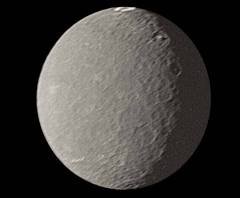
Umbriel Dark Ancient Cratered Secrets Explained Mysteries
Umbriel is one of Uranus’s five major moons and stands out as the darkest, oldest-looking, and most heavily cratered of the group. Discovered in 1851 by British astronomer William Lassell, Umbriel was named after a shadowy gnome-like character from…
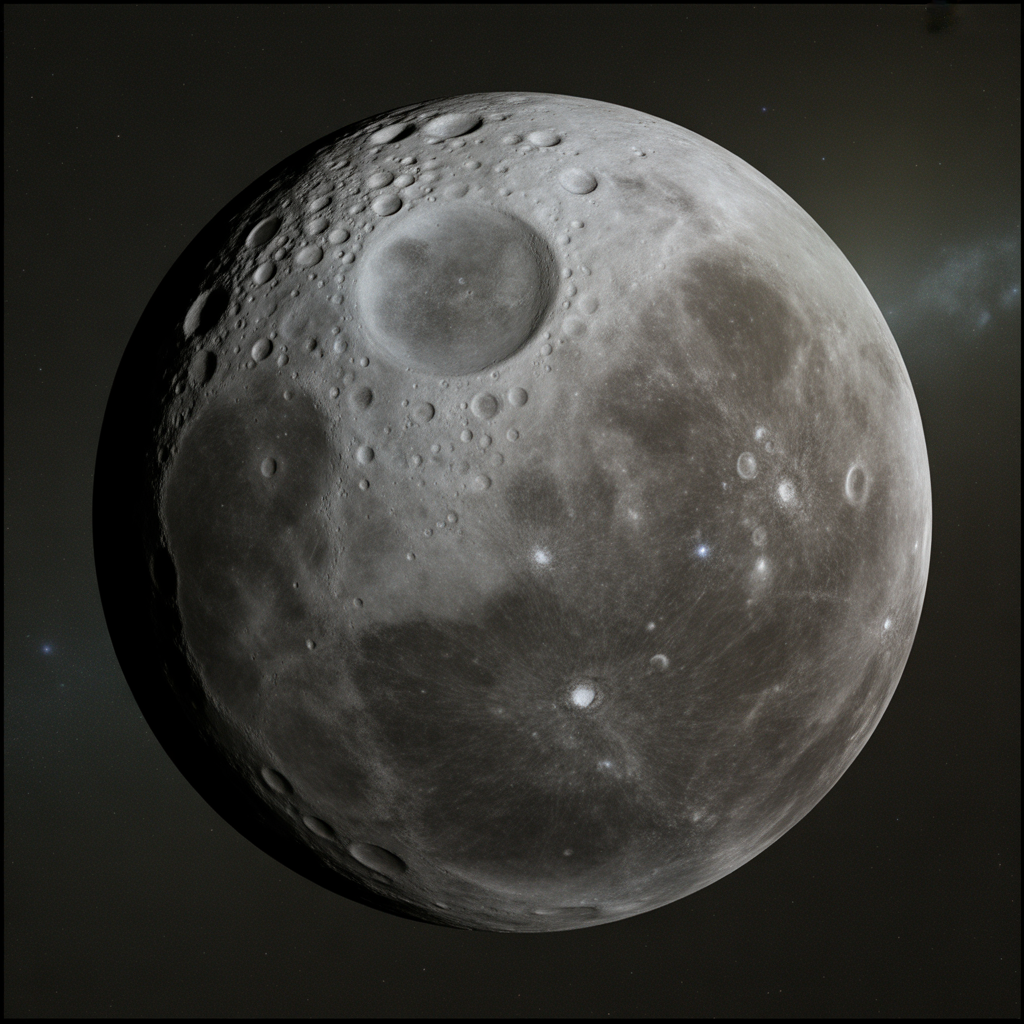
Oberon Moon of Uranus Ancient Icy World Overview Guide
Oberon is Uranus’s second-largest and outermost of the planet’s five major moons. It was discovered in 1787 by William Herschel and named after the fairy king in William Shakespeare’s A Midsummer Night’s Dream. Oberon has a dark, slightly reddish surface…
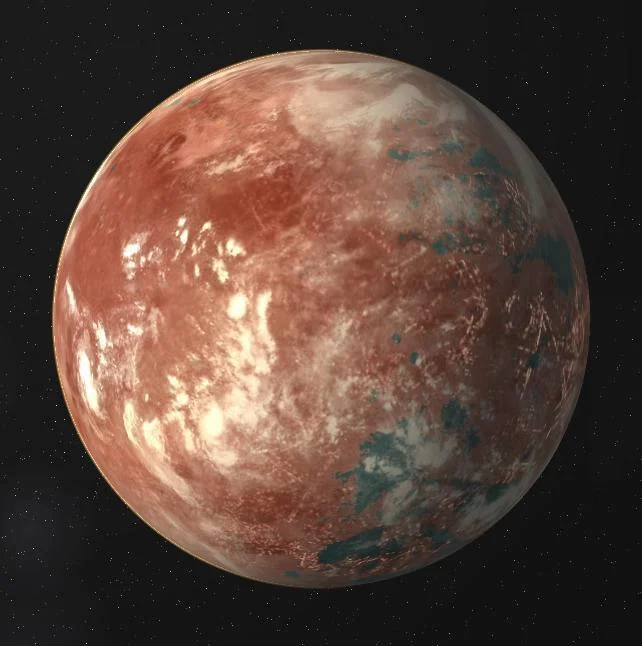
The Mysterious Planet Vulcan: Myth, Discovery Claims, and Disproof Explained
Vulcan was a proposed planet that some pre-20th-century astronomers believed existed in an orbit between Mercury and the Sun. Speculation about intermercurial bodies—objects orbiting inside Mercury’s path—dates back to the early 17th century.…
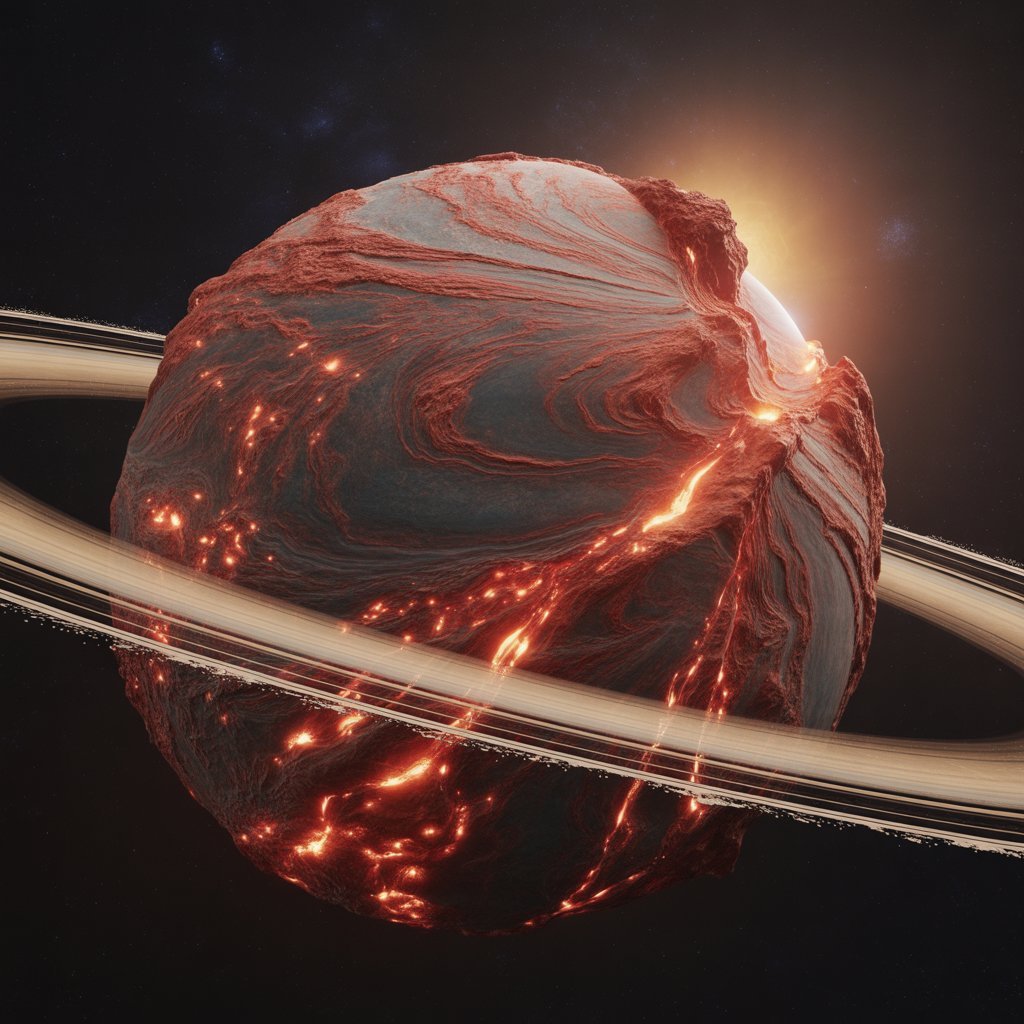
Theia and the Giant Impact Hypothesis: Origins of Earth’s Moon
In Greek mythology, Theia was one of the Titans, the sister and later wife of Hyperion, and the mother of Selene, the goddess of the Moon. This mythological narrative interestingly parallels the scientific theory regarding the planet Theia’s role in the…
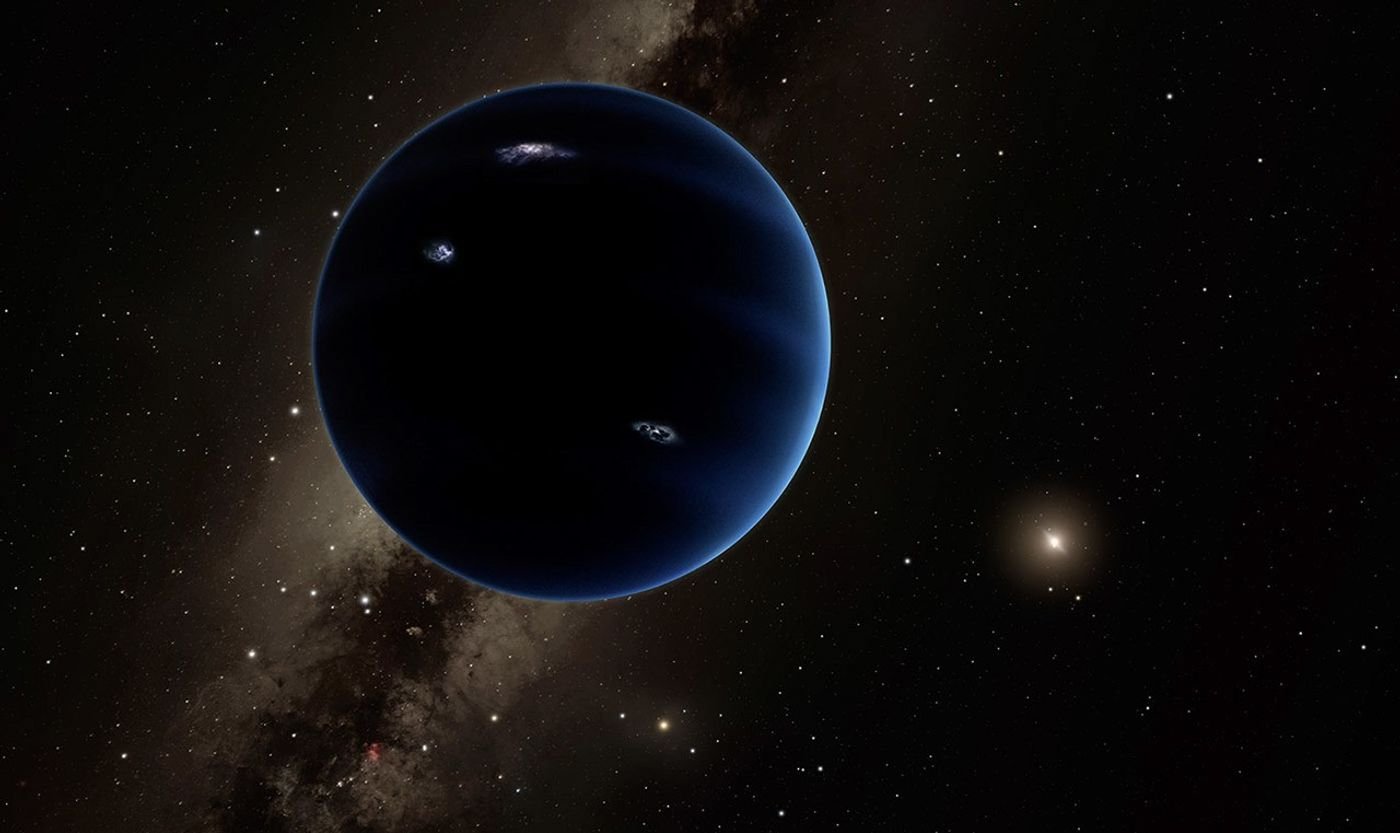
Evidence and Search for Planet Nine: A Hypothetical Giant
In January 2016, astronomers Konstantin Batygin and Mike Brown from the California Institute of Technology (Caltech) announced research suggesting the existence of a planet about 1.5 times the size of Earth in the outer solar system. This theoretical…

June 23, 2015: 60,000 orbits for Mars Odyssey
NASA’s Mars Odyssey spacecraft completed its 60,000th orbit of the Red Planet on June 23, 2015. When Odyssey launched in April 2001 with a goal of better understanding Mars’ environment, the Red Planet was generally thought to be dry, barren world; the…
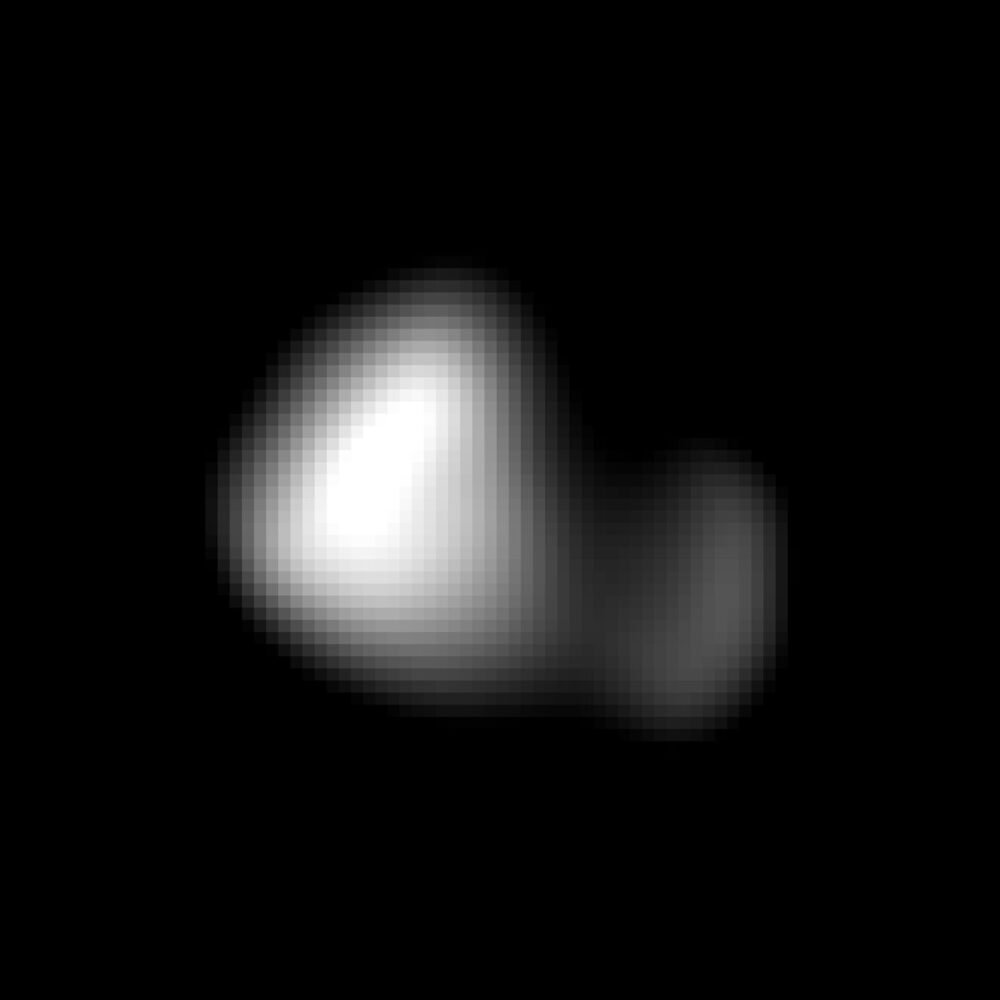
June 28, 2011: Kerberos is discovered
On June 28, 2011, Pluto’s moon Kerberos was discovered by a team using the Hubble Space Telescope, led by senior research scientist Mark Showalter. While the primary goal of the observing program was to identify both potential targets and potential…