
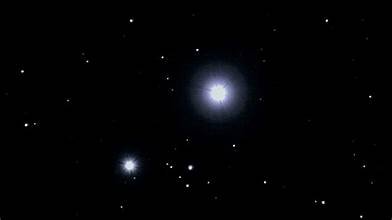
Mizar Star: The Remarkable Quadruple System in Ursa Major

Mizar is one of the most fascinating stars visible in the night sky. Located in the handle of the Big Dipper, within the constellation Ursa Major, it has attracted the attention of astronomers for centuries. What appears to the naked eye as a single star…
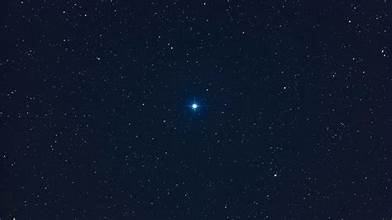
Algol: The Demon Star That Mysteriously Changes Brightness Regularly
Known as the “Demon Star,” Algol (Beta Persei) is one of the most fascinating stars visible in the night sky. Located about 90 light-years from Earth in the constellation Perseus, Algol appears to mysteriously brighten and dim over time, a…
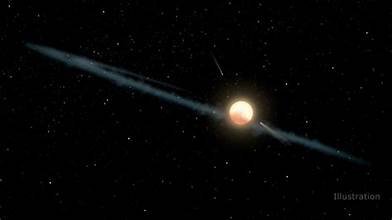
Tabby’s Star: The Mysterious Stellar Puzzle Defying Explanation
Tabby’s Star (KIC 8462852), located about 1,470 light-years away in the constellation Cygnus, is one of the most fascinating stars ever discovered. Astronomers first identified its unusual behavior through observations made by the Kepler Space Telescope,…
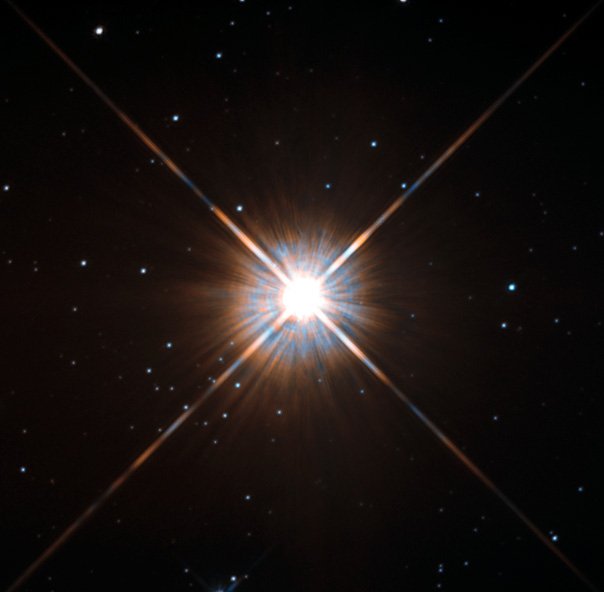
Closest Star to Earth: The Amazing Story of Proxima Centauri
Proxima Centauri is the closest known star to our Solar System after the Sun. It lies about 4.246 light-years away from Earth in the southern constellation Centaurus. Even though it is our nearest stellar neighbor, the star is too faint to see with the…
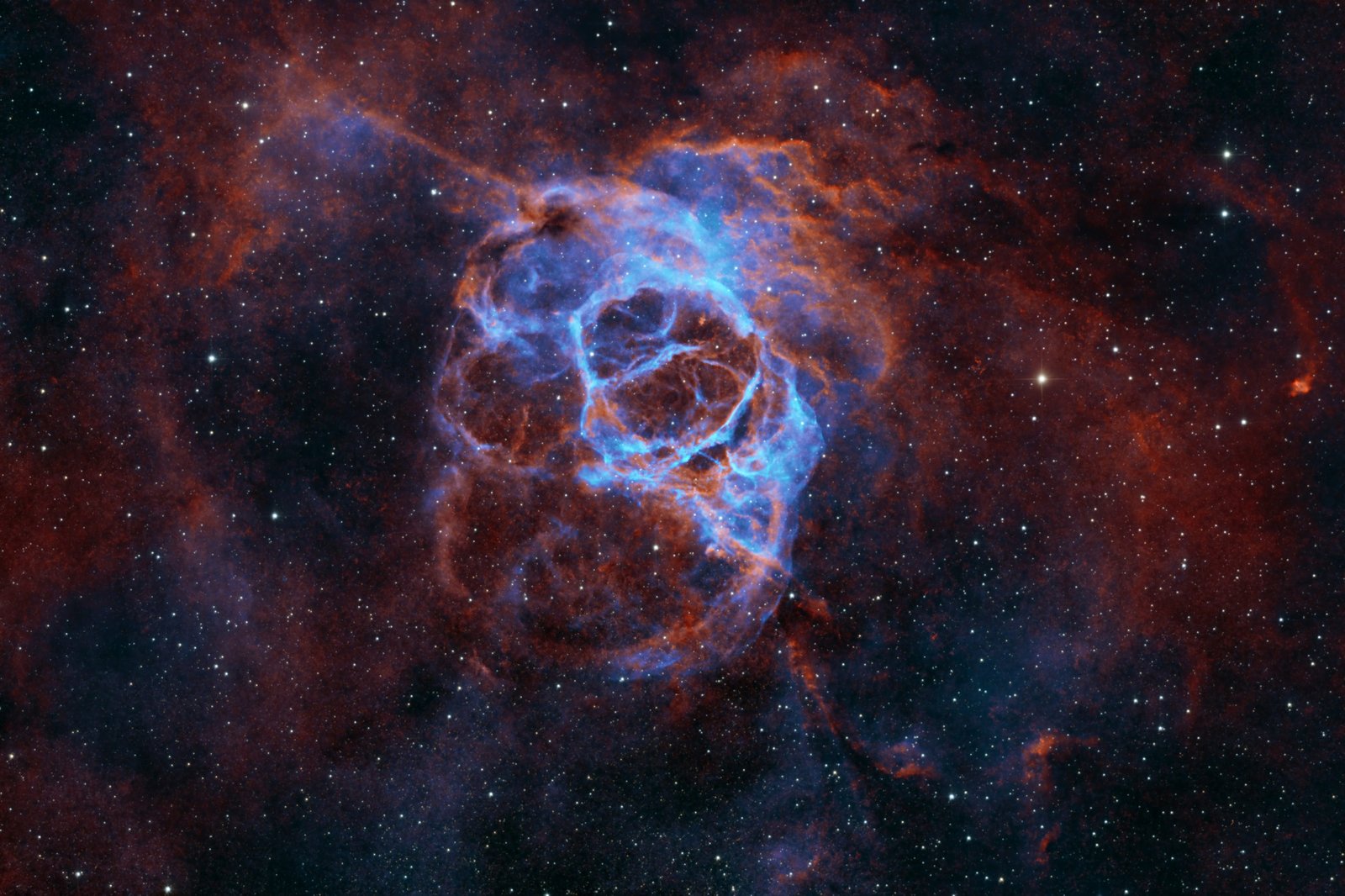
WR 102: The Hottest Star Nearing Supernova Explosion
WR 102 is a Wolf–Rayet star—one of the most extreme stellar objects known—both extraordinarily luminous and intensely hot. Highly evolved and approaching the final stages of its life, this star is expected to explode as a supernova within the next 1,500…
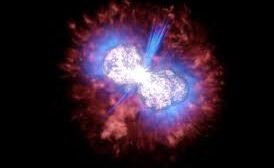
Eta Carinae: The Milky Way’s Most Violent Stellar System
The Eta Carinae system is one of the most massive and luminous stellar systems in the Milky Way, located approximately 7,500 light-years away within the Carina Nebula. It consists of at least two stars: a highly unstable luminous blue variable (LBV)…

VY Canis Majoris: One of the Largest and Most Luminous Stars
VY Canis Majoris: A Colossal Star in Canis MajorVY Canis Majoris is one of the largest known stars in the galaxy, with a size so immense that if it replaced our Sun, it would engulf Mercury, Venus, Earth, Mars, and reach past Jupiter. Despite its…
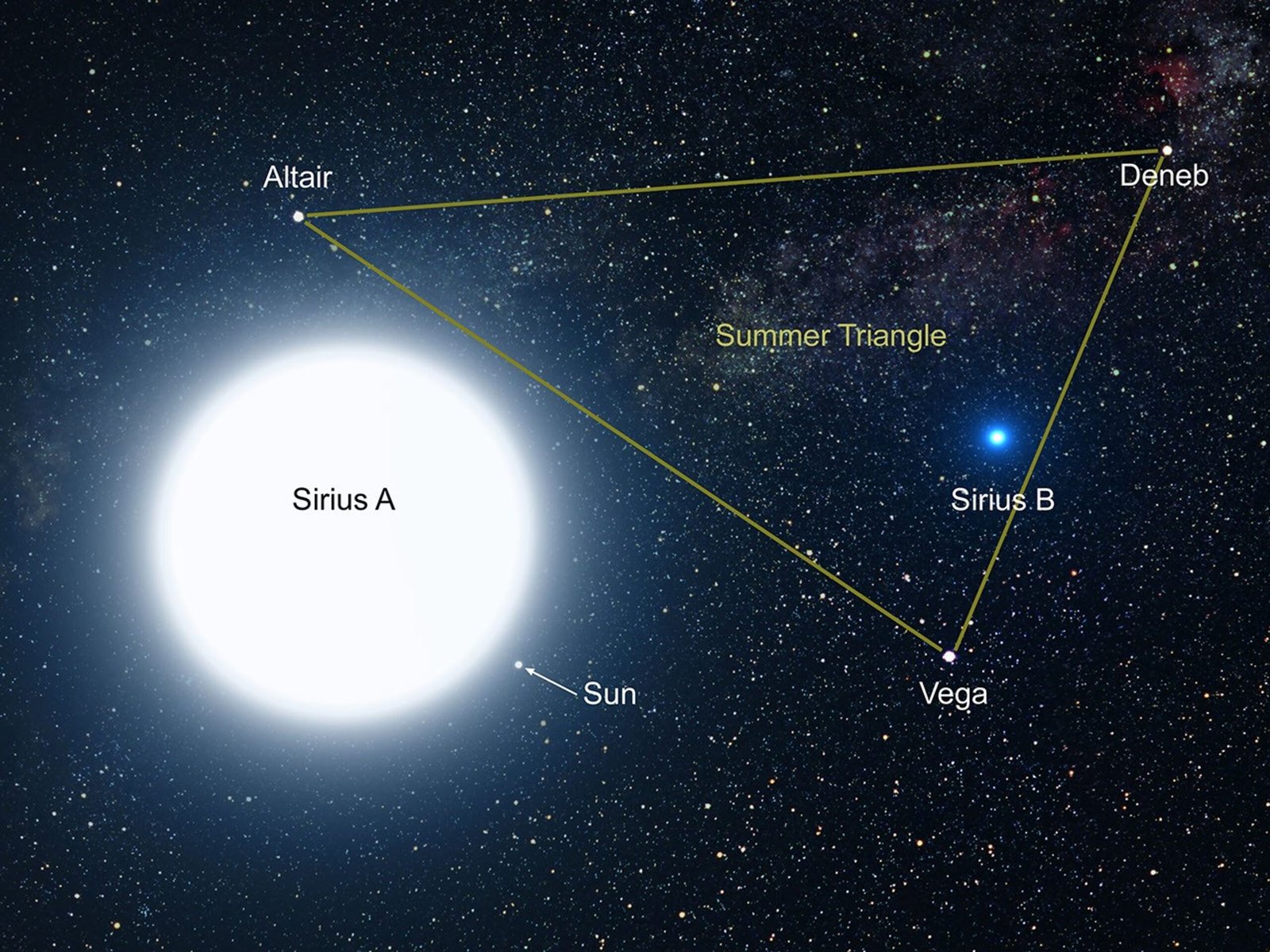
Sirius Star System: Brightest Star And Its Fascinating History
Sirius, commonly known as the Dog Star, is the brightest star visible in Earth’s night sky and lies in the constellation Canis Major (“Greater Dog”). Its remarkable brilliance is due to both its high intrinsic luminosity and its close proximity to…
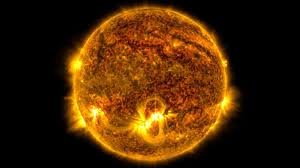
Betelgeuse: The Massive Red Supergiant Star Nearing Supernova
Betelgeuse looms in Orion’s shoulder like a dying ember, vast beyond comprehension and trembling at the edge of annihilation. Its bloated surface churns and collapses in slow, cosmic convulsions, so immense that, placed at the heart of our solar system,…
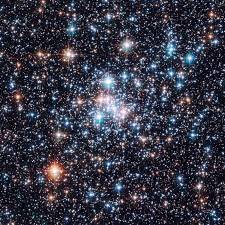
How Stars Form, Shine, Evolve, and Shape the Universe
Stars are born within vast clouds of gas and dust known as nebulae. Over time, gravity causes this material to collapse inward until the core becomes hot and dense enough to ignite nuclear fusion. This process converts hydrogen into helium, releasing…