
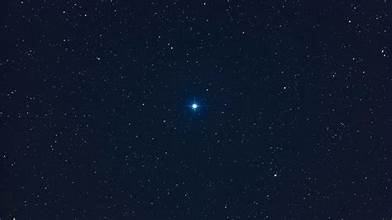
Algol: The Demon Star That Mysteriously Changes Brightness Regularly

Known as the “Demon Star,” Algol (Beta Persei) is one of the most fascinating stars visible in the night sky. Located about 90 light-years from Earth in the constellation Perseus, Algol appears to mysteriously brighten and dim over time, a…
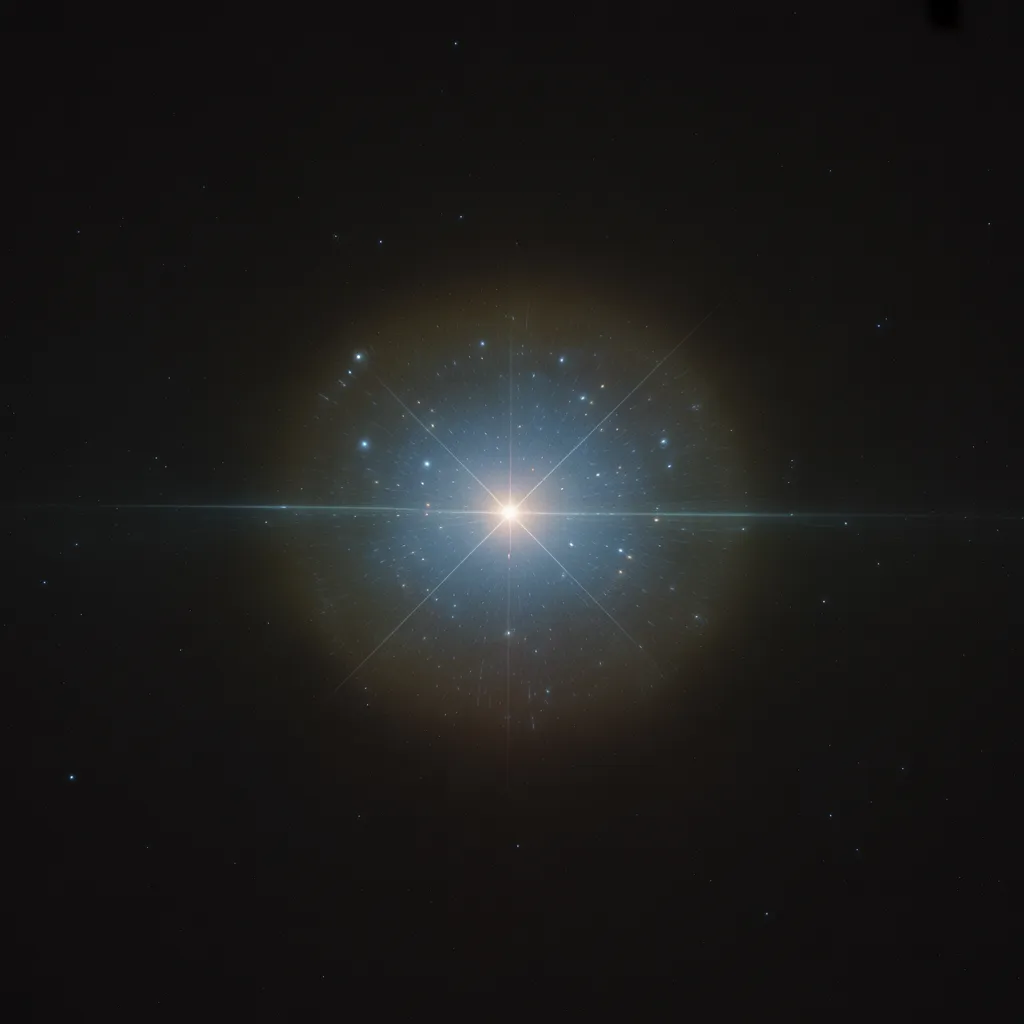
Altair Star Facts: Rapid Rotation and Cultural Legends
Altair, formally designated Alpha Aquilae (α Aql), is a remarkably bright A-type main-sequence star located approximately 16.7 light-years from Earth, making it one of the closest naked-eye stars to our solar system. It is the brightest star in the…

VY Canis Majoris: One of the Largest and Most Luminous Stars
VY Canis Majoris: A Colossal Star in Canis MajorVY Canis Majoris is one of the largest known stars in the galaxy, with a size so immense that if it replaced our Sun, it would engulf Mercury, Venus, Earth, Mars, and reach past Jupiter. Despite its…
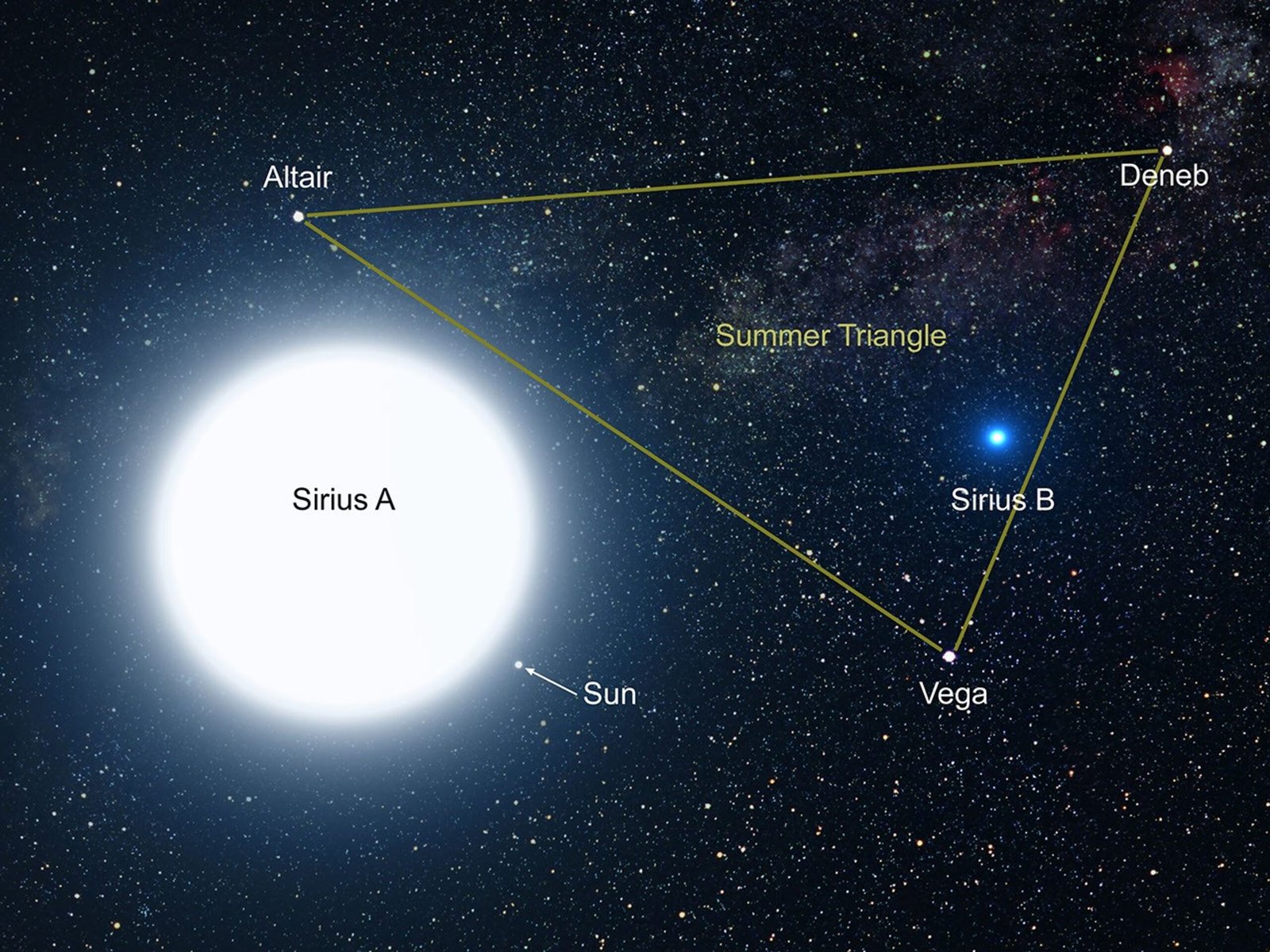
Sirius Star System: Brightest Star And Its Fascinating History
Sirius, commonly known as the Dog Star, is the brightest star visible in Earth’s night sky and lies in the constellation Canis Major (“Greater Dog”). Its remarkable brilliance is due to both its high intrinsic luminosity and its close proximity to…
Betelgeuse: The Massive Red Supergiant Star Nearing Supernova
Betelgeuse looms in Orion’s shoulder like a dying ember, vast beyond comprehension and trembling at the edge of annihilation. Its bloated surface churns and collapses in slow, cosmic convulsions, so immense that, placed at the heart of our solar system,…
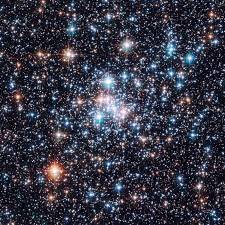
How Stars Form, Shine, Evolve, and Shape the Universe
Stars are born within vast clouds of gas and dust known as nebulae. Over time, gravity causes this material to collapse inward until the core becomes hot and dense enough to ignite nuclear fusion. This process converts hydrogen into helium, releasing…
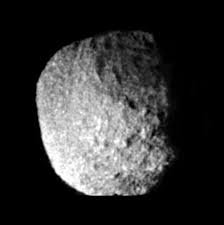
Proteus: Neptune’s Dark, Irregular Inner Moon Explained Facts Overview
Proteus (Neptune VIII) is the second-largest moon of Neptune and the largest of its inner, regular satellites. It was discovered in 1989 by the Voyager 2 spacecraft and is an irregularly shaped, extremely dark body, lying just below the size threshold at…
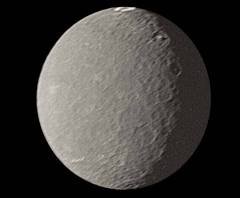
Umbriel Dark Ancient Cratered Secrets Explained Mysteries
Umbriel is one of Uranus’s five major moons and stands out as the darkest, oldest-looking, and most heavily cratered of the group. Discovered in 1851 by British astronomer William Lassell, Umbriel was named after a shadowy gnome-like character from…
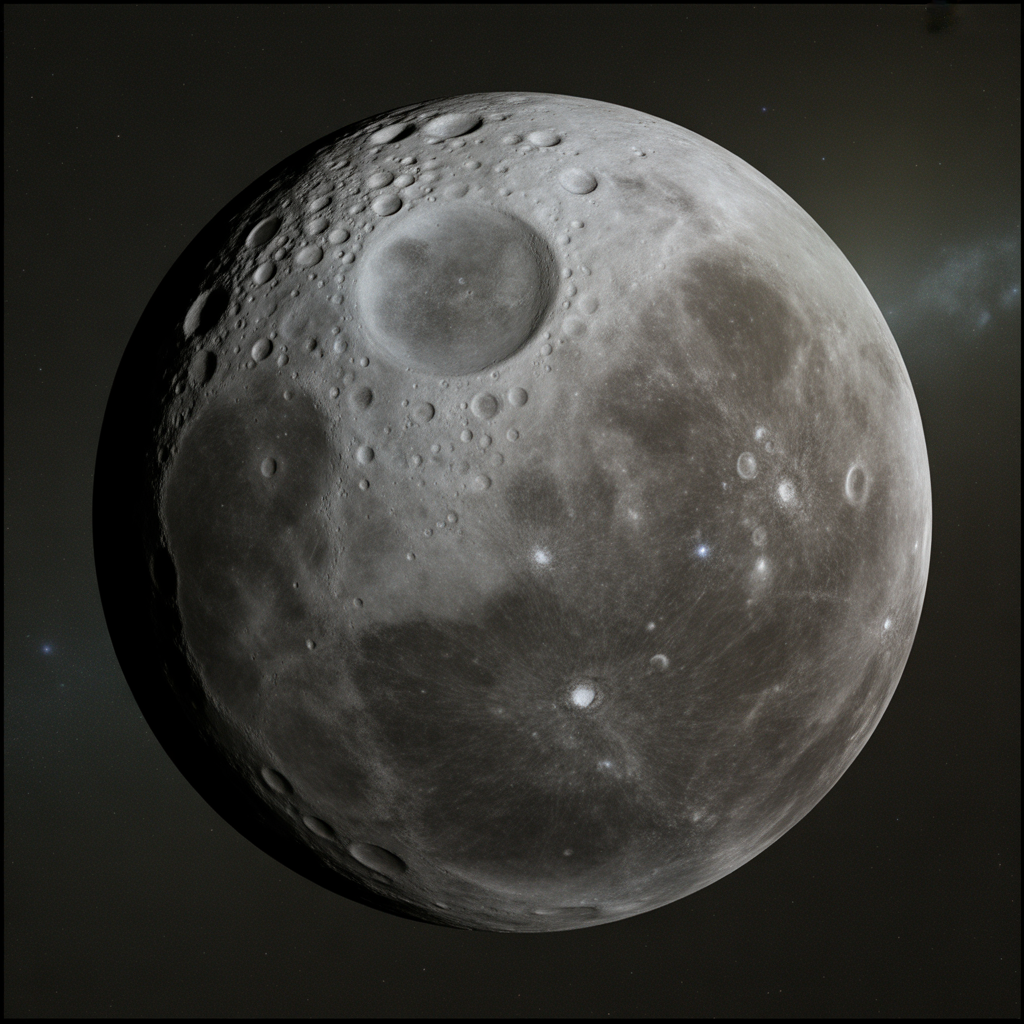
Oberon Moon of Uranus Ancient Icy World Overview Guide
Oberon is Uranus’s second-largest and outermost of the planet’s five major moons. It was discovered in 1787 by William Herschel and named after the fairy king in William Shakespeare’s A Midsummer Night’s Dream. Oberon has a dark, slightly reddish surface…
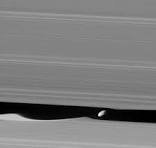
Daphnis: Saturn’s Shepherd Moon Creating Ring Waves
Daphnis is a small, football-shaped moon of Saturn, discovered in 2005. It orbits within the Keeler Gap, a narrow opening in Saturn’s A ring. Due to its gravitational influence, Daphnis disturbs nearby ring particles, generating distinctive wave-like…