
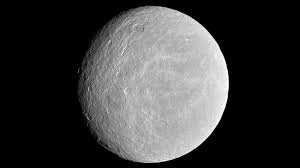
Dione: Saturn’s Icy Moon with Tectonic Cliffs and Trojan Companions

Dione has a diameter of about 697 miles (1,120 km). Its density indicates that roughly one-third of the moon is composed of a rocky silicate core, while the remaining two-thirds consist of water ice. The average surface temperature is approximately…
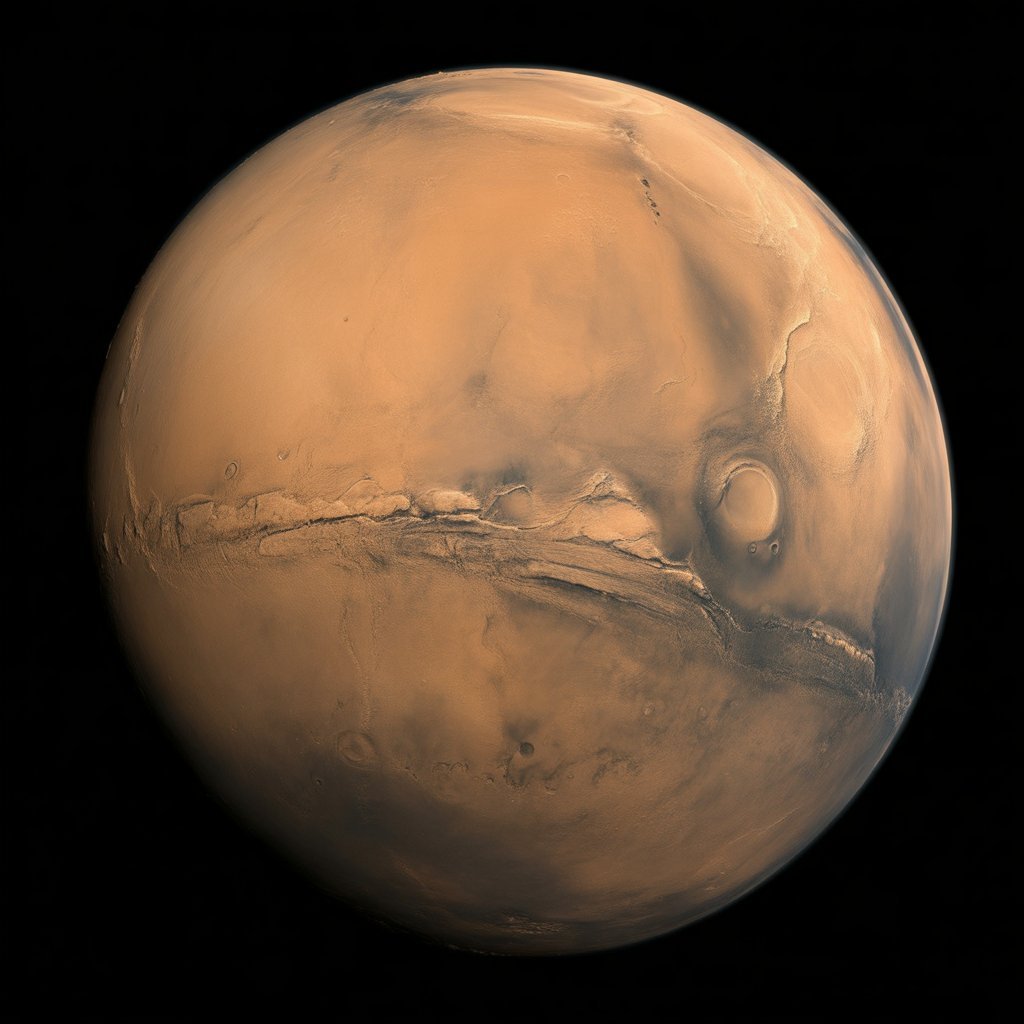
Titan: Saturn’s Moon with Atmosphere, Lakes, and Organic Haze
Titan, Saturn’s largest moon, has a dense, planet-like atmosphere composed mainly of nitrogen (95%) and methane (5%), with a surface pressure slightly higher than Earth’s. Unique among moons, Titan hosts stable bodies of liquid methane and ethane,…
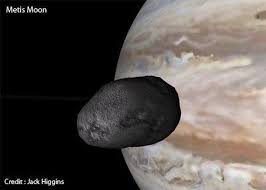
Metis: Jupiter’s Closest Moon Feeding Its Main Ring
Metis is the innermost known moon of Jupiter, orbiting within the planet’s main ring system. It has a very short orbital period, completing a full orbit in just about 7 hours. Because it is so close to Jupiter, Metis is tidally locked, meaning the same…
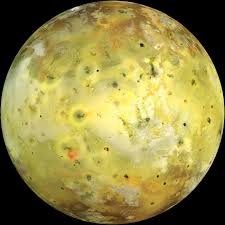
Io: Jupiter’s Volcanic Moon Fueled by Tidal Heating
Io is the most volcanically active moon in our solar system, orbiting the planet Jupiter. It hosts over 400 active volcanoes, with lava fountains that can reach dozens of miles into space. The surface features vast lakes of molten silicate lava, such as…
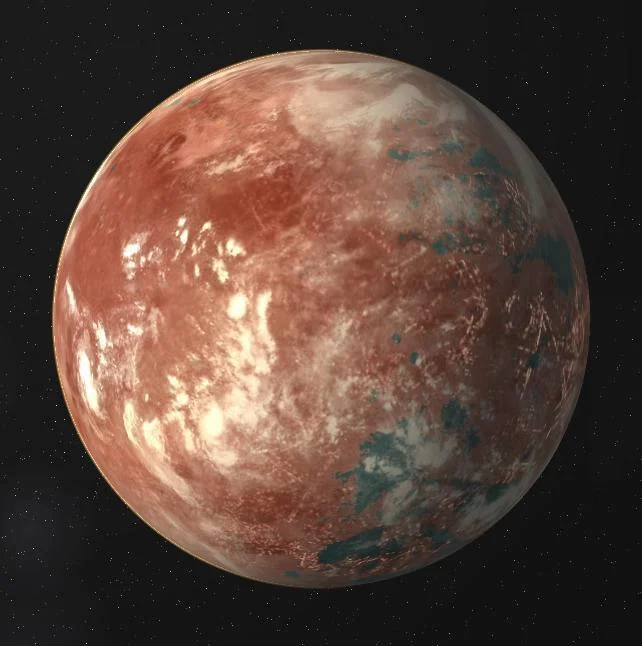
The Mysterious Planet Vulcan: Myth, Discovery Claims, and Disproof Explained
Vulcan was a proposed planet that some pre-20th-century astronomers believed existed in an orbit between Mercury and the Sun. Speculation about intermercurial bodies—objects orbiting inside Mercury’s path—dates back to the early 17th century.…
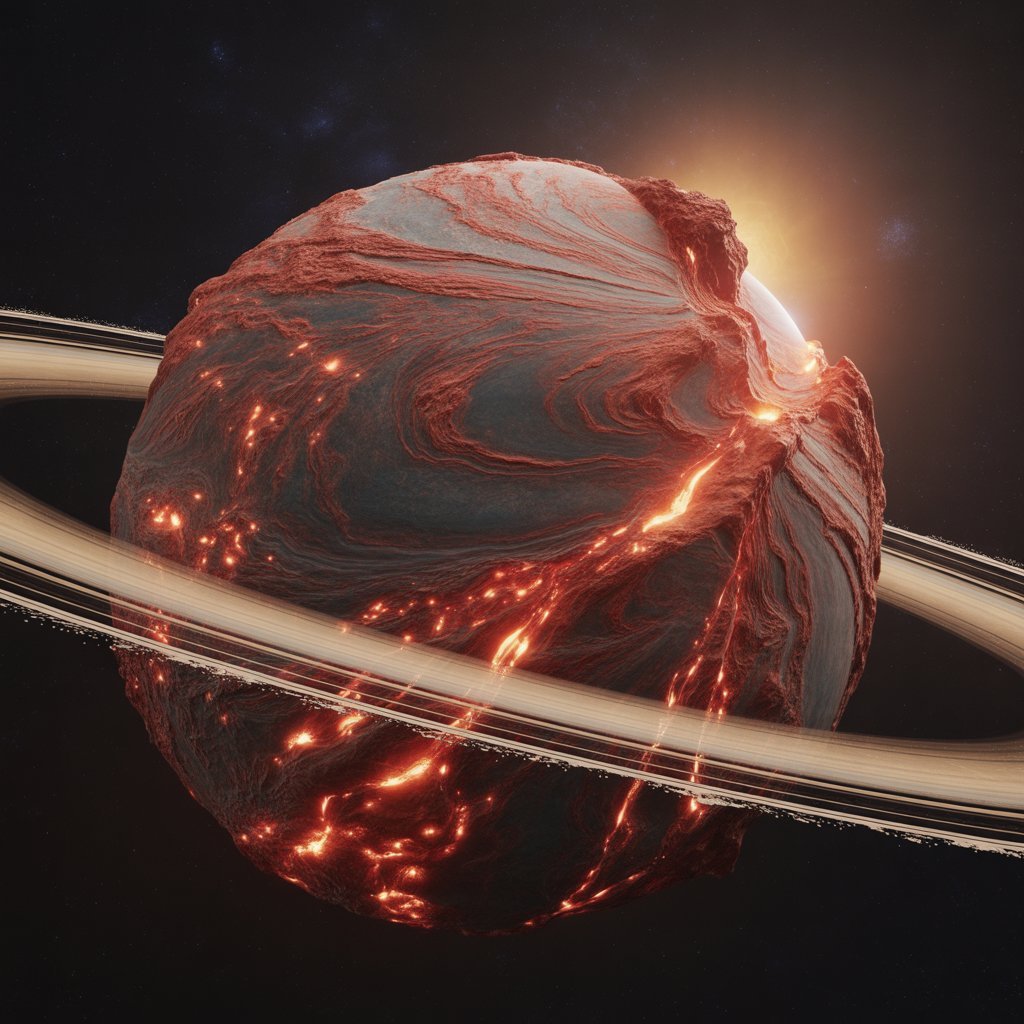
Theia and the Giant Impact Hypothesis: Origins of Earth’s Moon
In Greek mythology, Theia was one of the Titans, the sister and later wife of Hyperion, and the mother of Selene, the goddess of the Moon. This mythological narrative interestingly parallels the scientific theory regarding the planet Theia’s role in the…

Oort Cloud Explained: Distance, Formation, Structure, and Comet Origins
The Oort Cloud is the most distant region in our solar system, and it’s jaw-droppingly far away, extending perhaps one-quarter to halfway from our Sun to the next star.To appreciate the distance to the Oort Cloud, it’s helpful to set aside miles…

Full Moon Tonight: July 10, 2025 – Meaning, Color, and Visibility Explained
Today, July 10, 2025, the Moon is in its Full Moon phase, one of the most visually striking lunar phases. During this phase, the entire face of the Moon that faces Earth is fully illuminated by the Sun, making it appear as a complete, bright circle in…
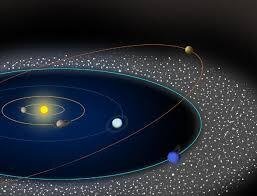
The Kuiper Belt: A Gateway to the Early Solar System
The name Kuiper is of Dutch origin and is an occupational surname meaning “cooper,” or barrel maker. In astronomy, however, the Kuiper Belt refers to a vast region of the outer solar system named after Dutch-American astronomer Gerard Kuiper,…
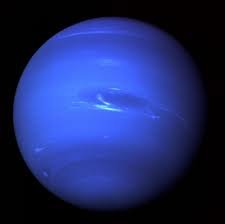
Neptune: The Distant Blue Giant with Supersonic Winds and a Mysterious Moon
Neptune is the eighth and most distant known planet in our Solar System, named after the Roman god of the sea. It is classified as an ice giant, characterized by its deep blue color, extreme atmospheric winds, and faint ring system. Neptune has 14 known…