
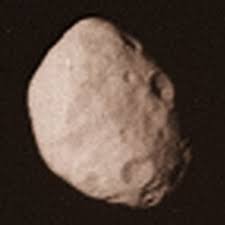
Janus and Epimetheus: Saturn’s Orbit-Swapping Twin Moons

Janus and Epimetheus are two of Saturn’s moons that share the same orbit, separated by only about 50 kilometers (31 miles). When they approach each other, they exchange momentum and switch orbits—the inner moon becomes the outer, and vice versa. This…
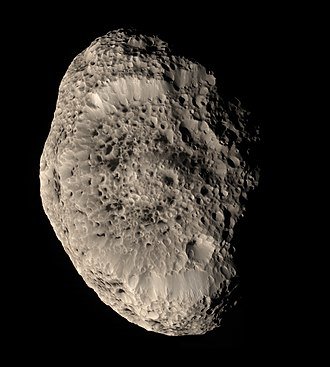
Hyperion: Chaotic Moon of Saturn with Unique Shape
Hyperion is notably irregular in shape, not conforming to a spherical form, which is why it’s described as potato-shaped. Its low density—estimated to be about half that of water—is due to its high porosity, meaning it is approximately 42% empty…
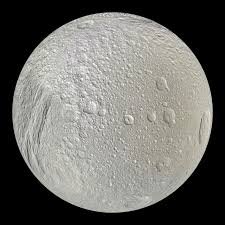
Facts About Tethys: Saturn’s Icy Moon and Craters
Tethys was discovered by Giovanni Domenico Cassini in 1684. It was named after a Titan from Greek mythology. Tethys is Saturn’s fifth-largest moon and orbits the planet at a distance of approximately 295,000 km (183,000 miles). Its orbital period…
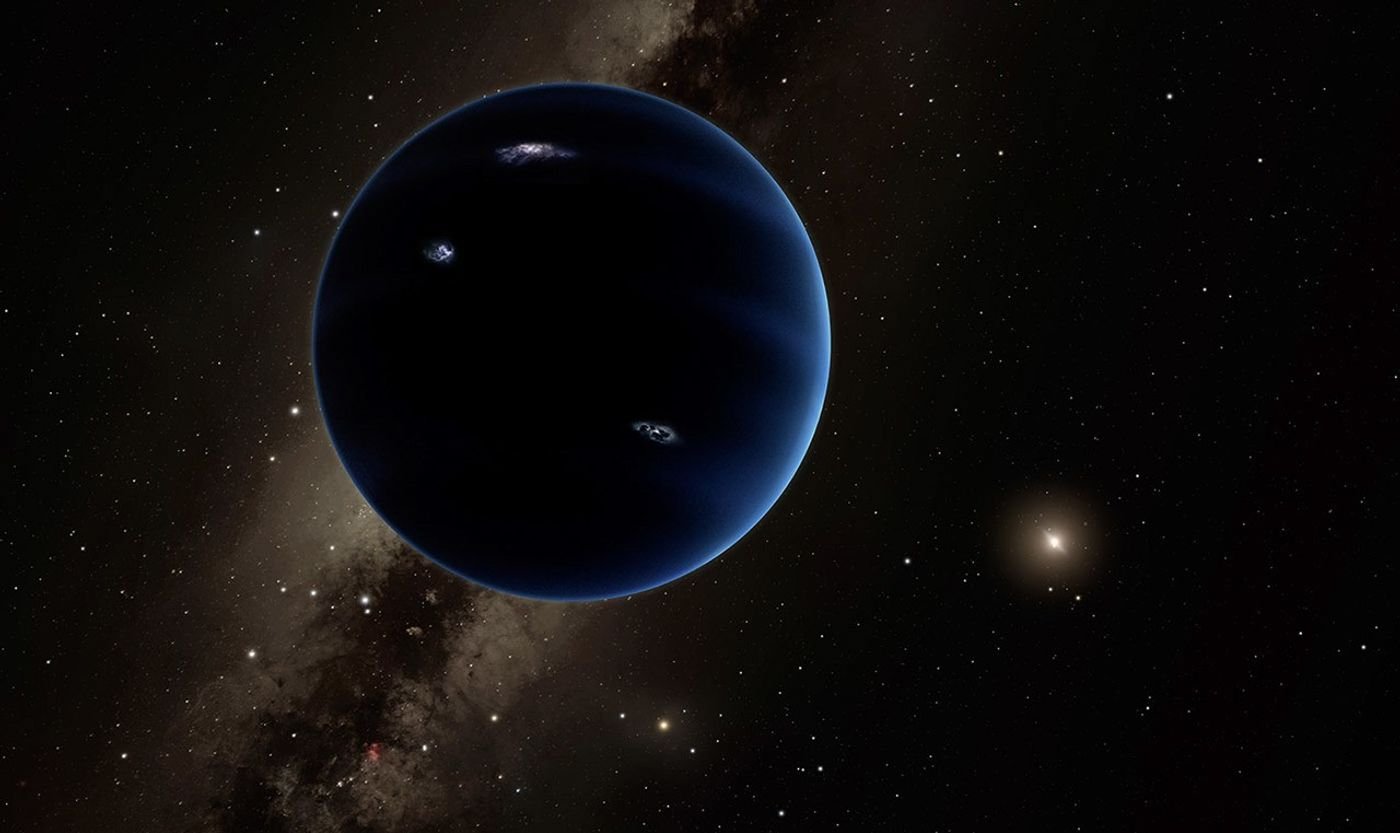
Evidence and Search for Planet Nine: A Hypothetical Giant
In January 2016, astronomers Konstantin Batygin and Mike Brown from the California Institute of Technology (Caltech) announced research suggesting the existence of a planet about 1.5 times the size of Earth in the outer solar system. This theoretical…

Oort Cloud Explained: Distance, Formation, Structure, and Comet Origins
The Oort Cloud is the most distant region in our solar system, and it’s jaw-droppingly far away, extending perhaps one-quarter to halfway from our Sun to the next star.To appreciate the distance to the Oort Cloud, it’s helpful to set aside miles…

What Is a Black Hole? Origins, Physics & Discovery Explained
A black hole is a massive, compact astronomical object so dense that its gravity prevents anything—even light—from escaping. Albert Einstein’s theory of general relativity predicts that a sufficiently compact mass will form a black hole. The boundary…

June 23, 2015: 60,000 orbits for Mars Odyssey
NASA’s Mars Odyssey spacecraft completed its 60,000th orbit of the Red Planet on June 23, 2015. When Odyssey launched in April 2001 with a goal of better understanding Mars’ environment, the Red Planet was generally thought to be dry, barren world; the…
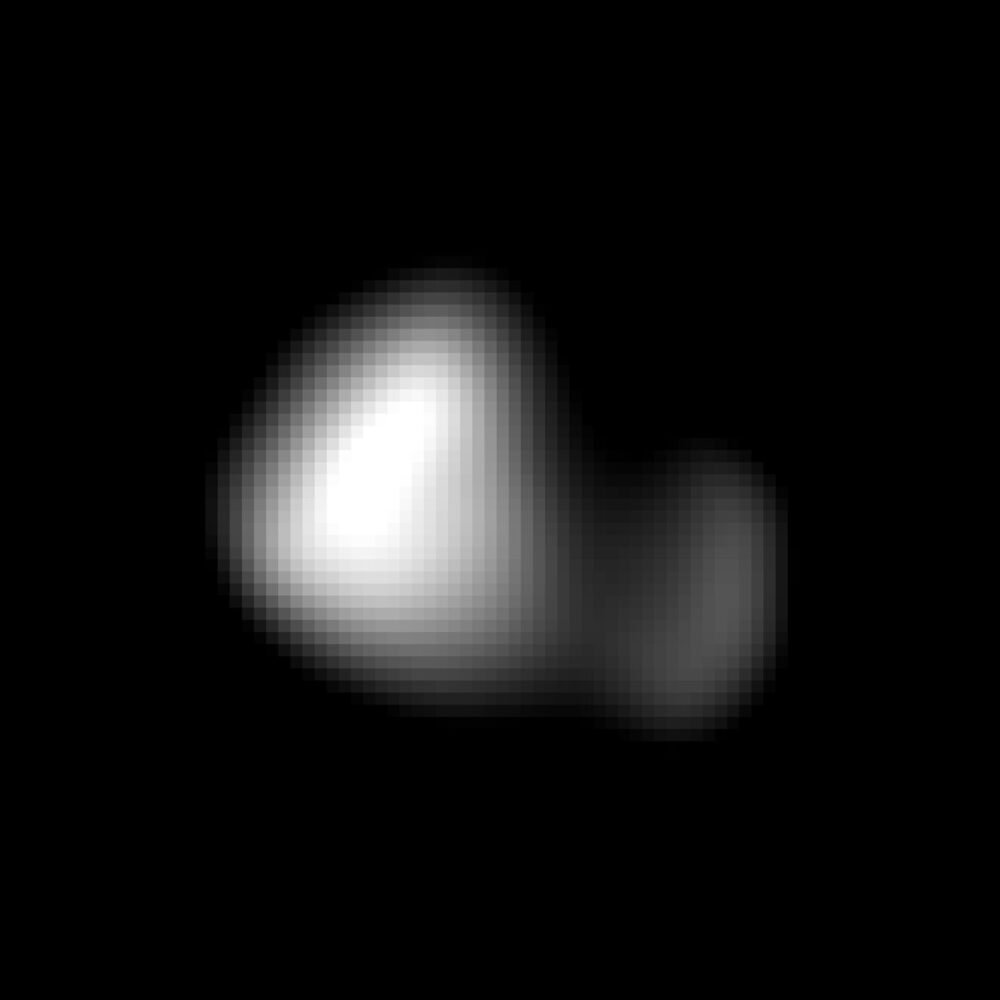
June 28, 2011: Kerberos is discovered
On June 28, 2011, Pluto’s moon Kerberos was discovered by a team using the Hubble Space Telescope, led by senior research scientist Mark Showalter. While the primary goal of the observing program was to identify both potential targets and potential…
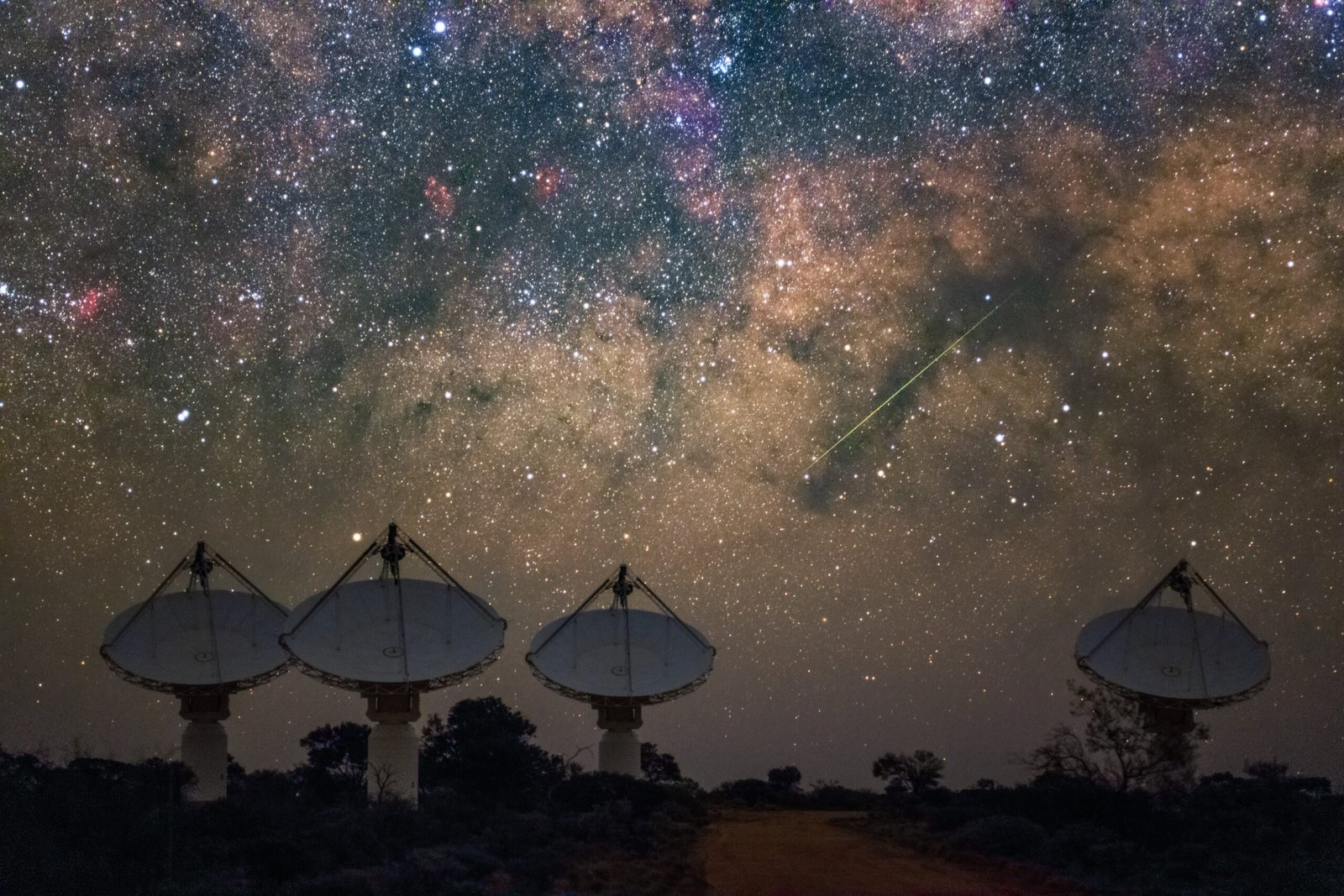
How a signal from a 60-year-old satellite baffled astronomers for over a year
Around midday on June 13 last year, my colleagues and I were scanning the skies when we thought we had discovered a strange and exciting new object in space. Using a huge radio telescope, we spotted a blindingly fast flash of radio waves that appeared to…