

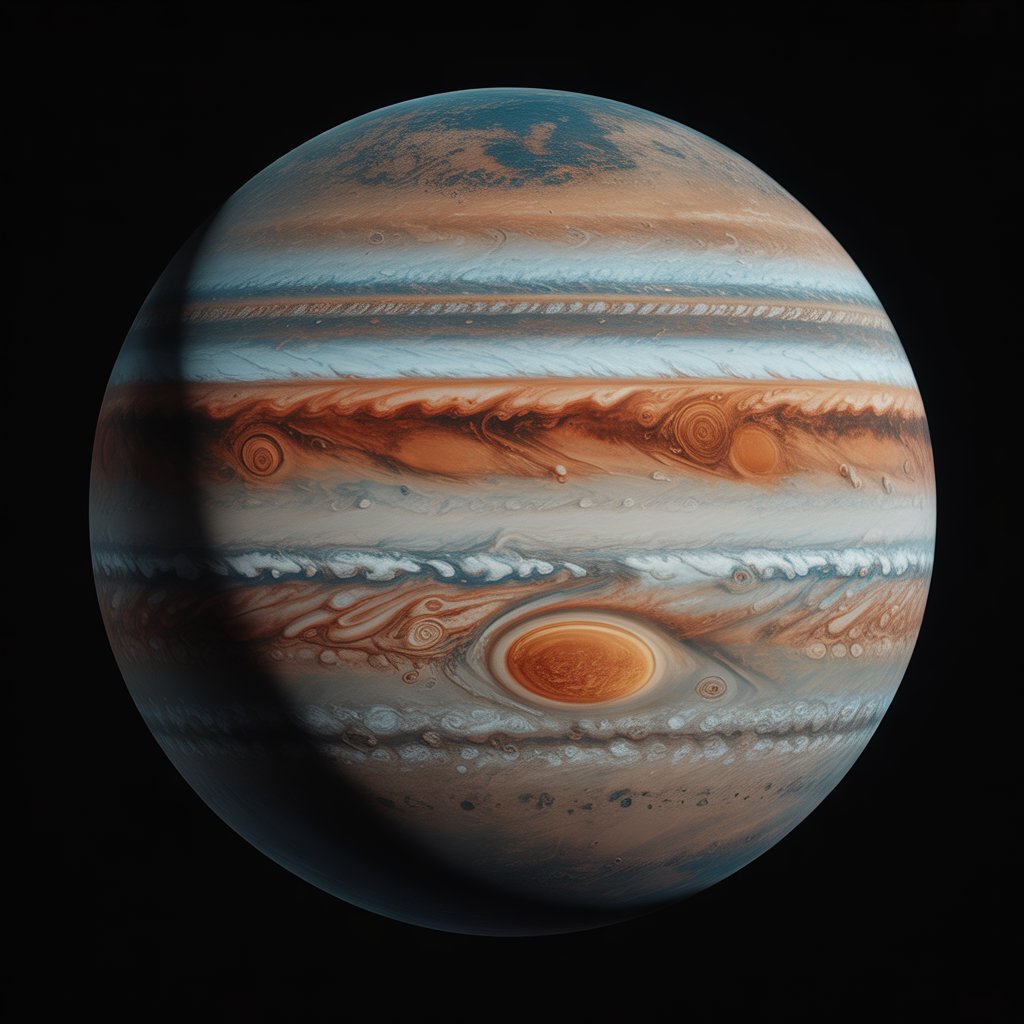
Jupiter: The Largest and Oldest Planet in Our Solar System

Jupiter is the fifth planet of our solar system. It is the oldest planet, as it was formed just after the Sun, nearly 4.6 billion years ago. Jupiter is the largest planet in our solar system and a gas giant primarily composed of hydrogen and helium. It…
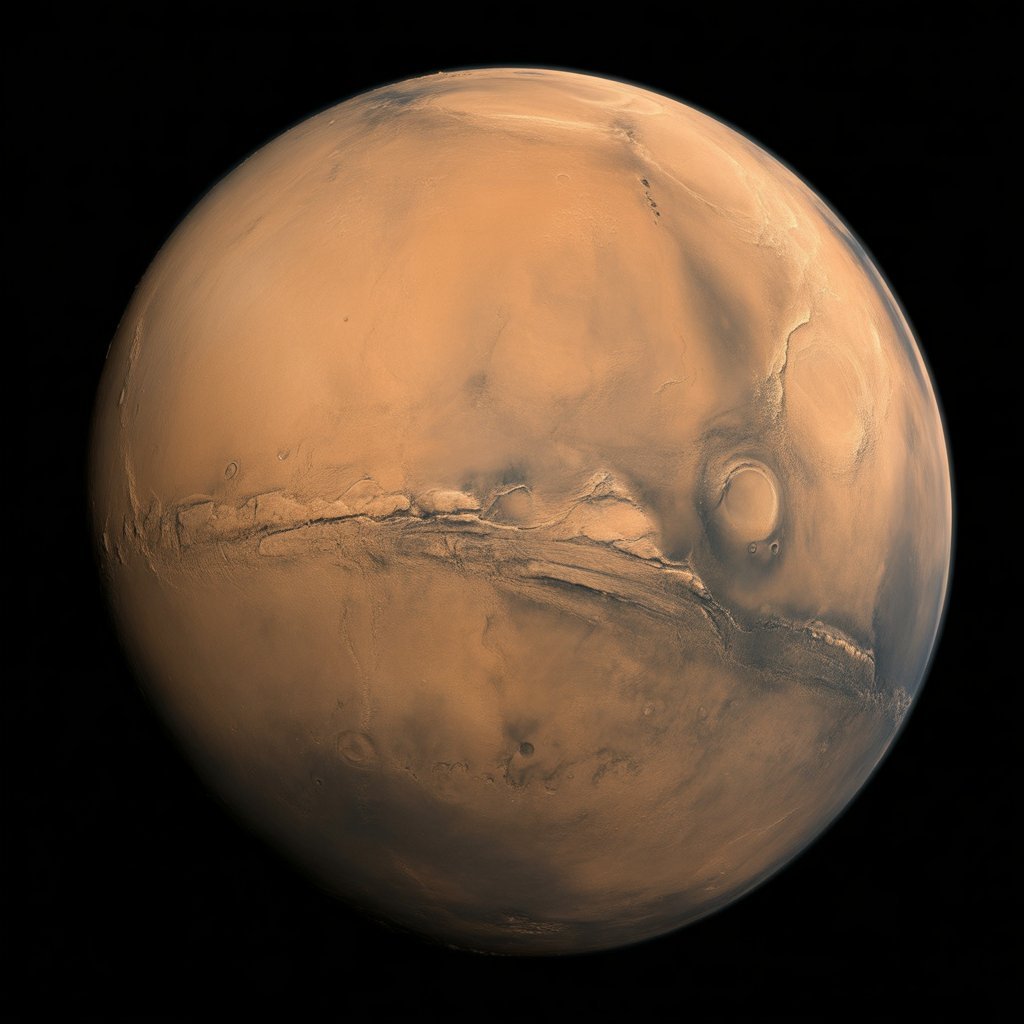
Mars: Facts About the Red Planet, Its Moons, Surface, and NASA Missions
Mars is the fourth planet from the Sun and is often called the “Red Planet” due to its reddish appearance, which is caused by iron oxide (rust) on its surface. It was named after Mars, the Roman god of war. According to Roman mythology, some…
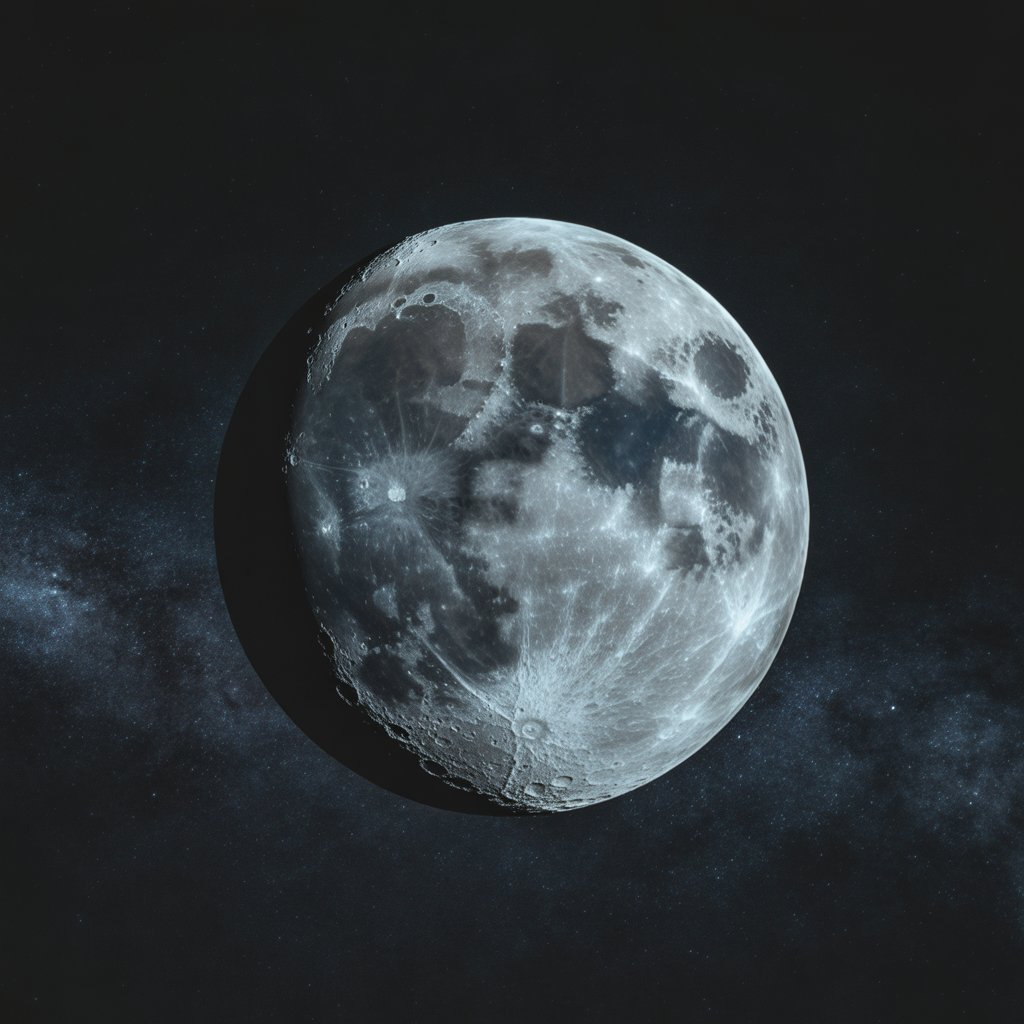
The Moon: Earth’s Only Natural Satellite
The Moon, also known as Luna, is Earth’s only natural satellite. One widely accepted theory suggests that the Moon formed billions of years ago when a Mars-sized celestial body named Theia collided with the early Earth. The debris from this massive…
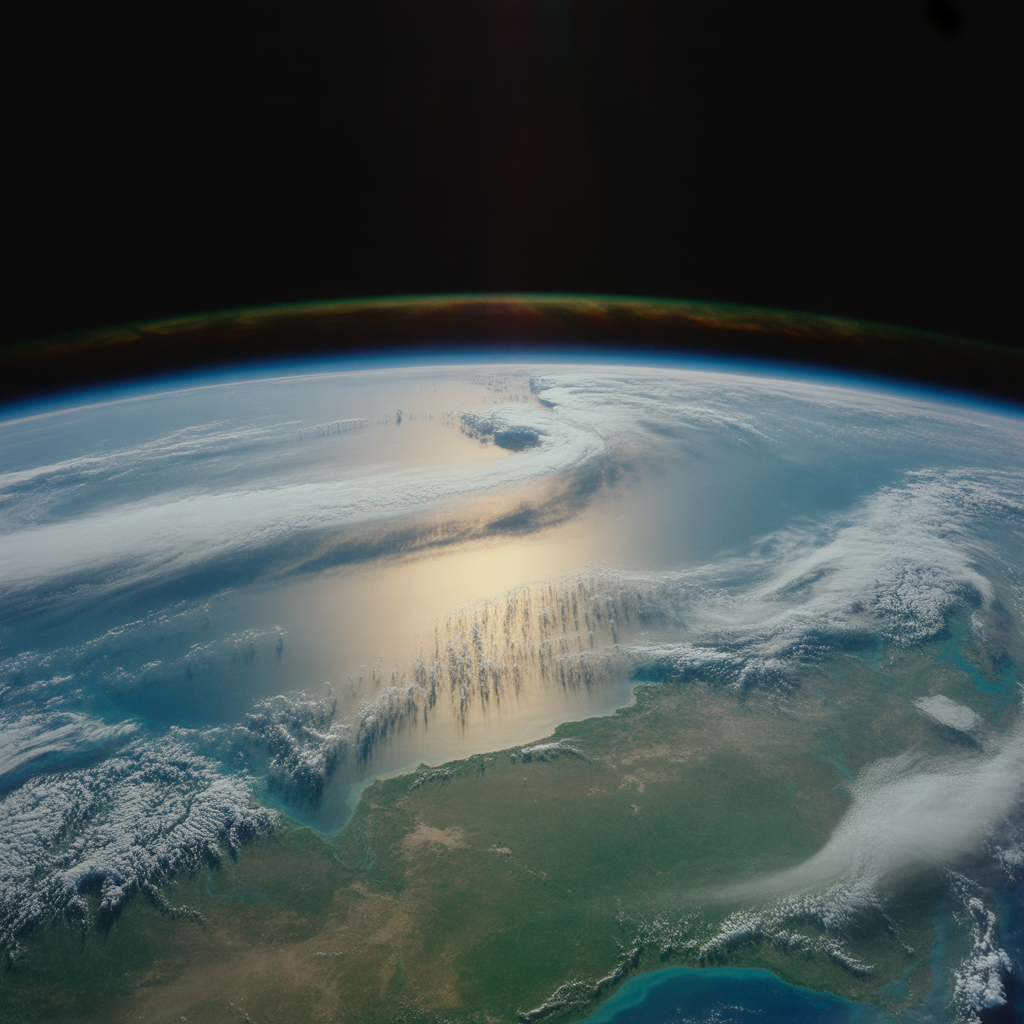
The Blue Jewel of the Solar System
Earth is the only known planet in our solar system that supports life. It is often called the “Blue Planet” because about 71% of its surface is covered with water, mostly in the form of oceans, seas, lakes, and rivers. This abundance of water…
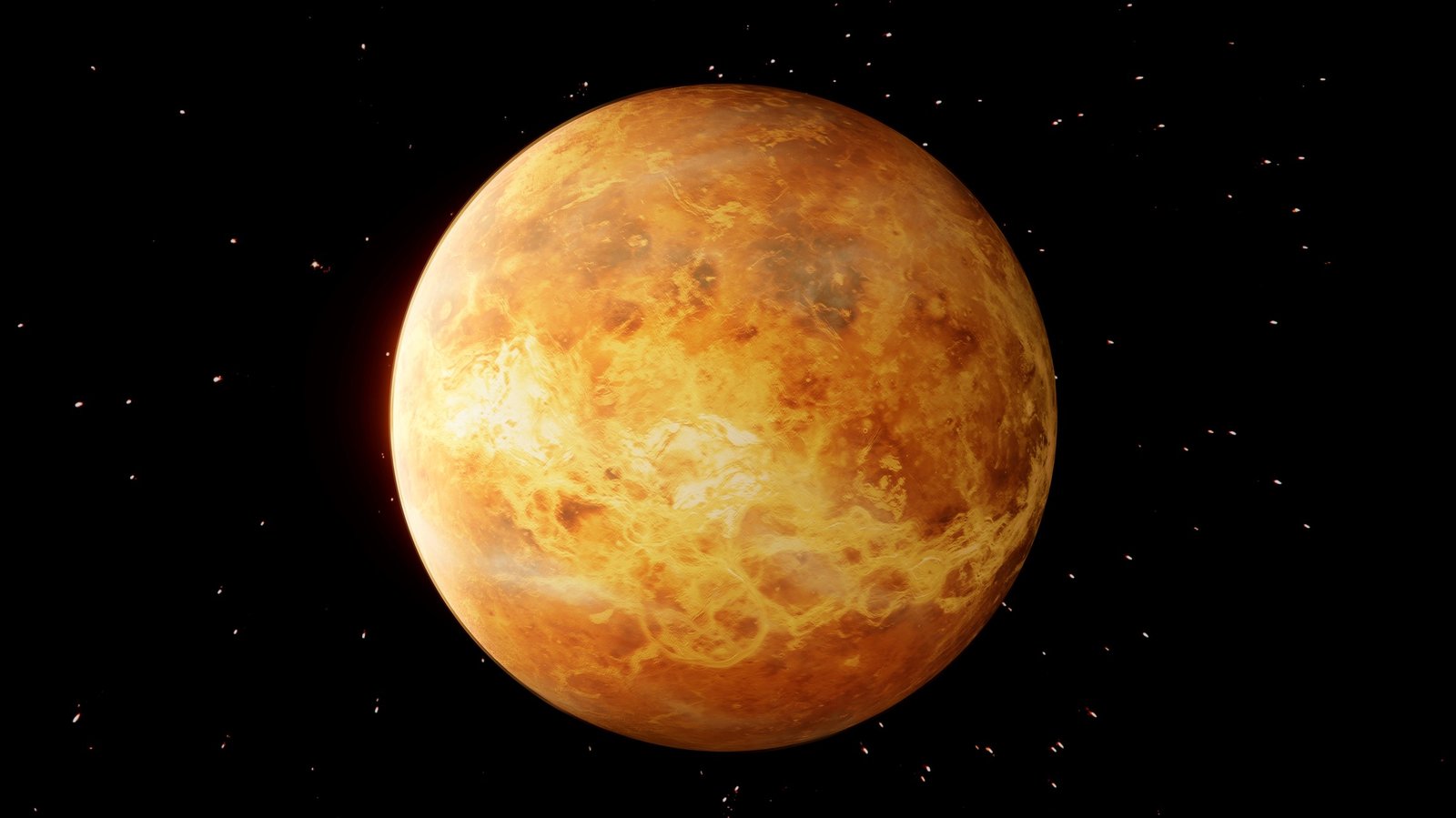
Venus: The Bright Beauty with a Fiery Heart
Venus is the second planet from the Sun. It is often called Earth’s “twin sister” because of their similar size and composition. The planet was named after the Roman goddess of beauty. Venus is the hottest planet in our solar system, mainly…
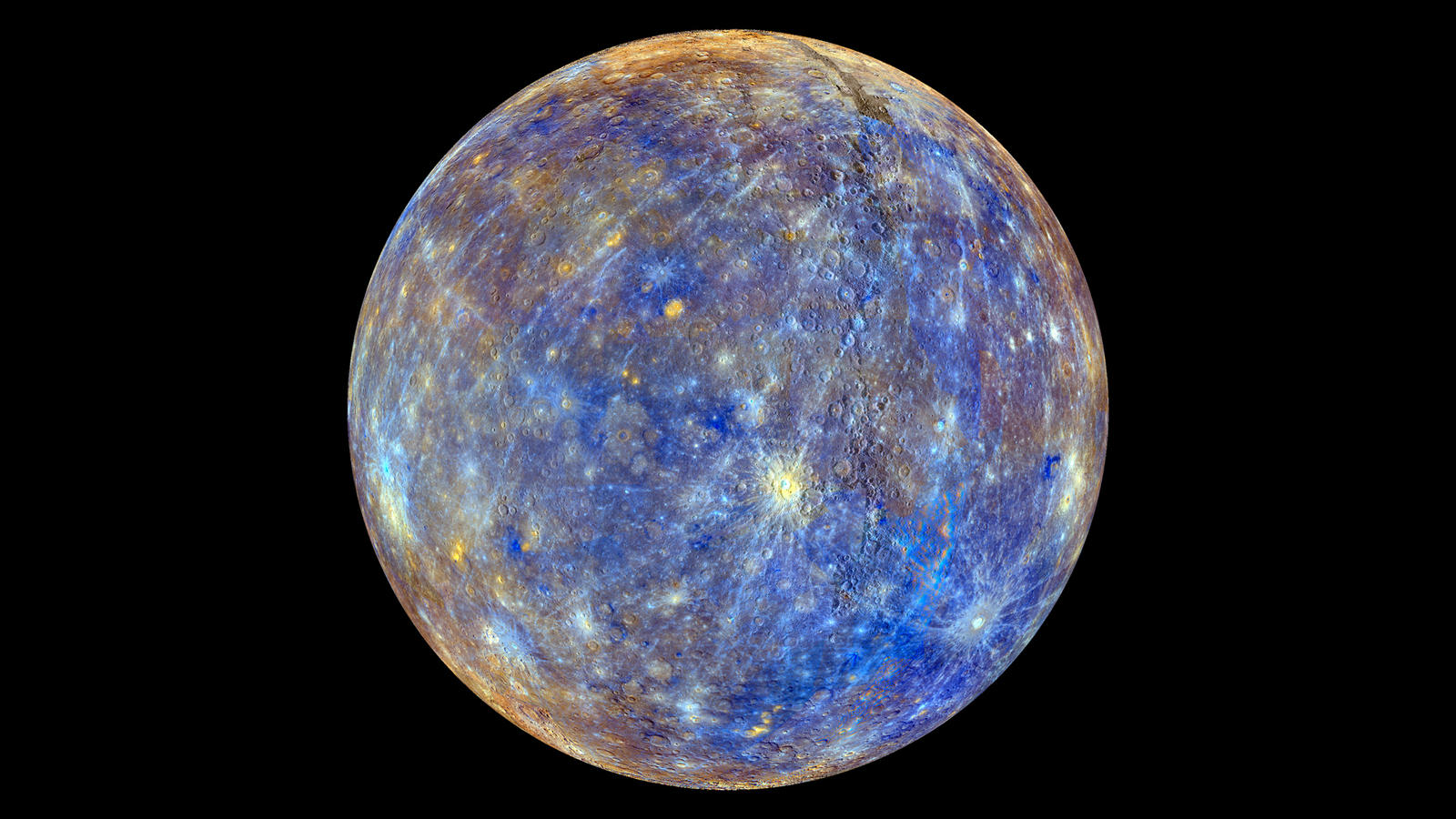
The Basics of Mercury: Our Solar System’s Speedy Planet
Mercury is the smallest planet in our solar system. It is the first planet from the sun but still Venus is the hottest planet of our solar system. Mercury is named after the roman god of speed because it revolves to fast that it’s one year lasts 88 Earth…

Asteroid Belt Explained: Location, History, and Largest Asteroids
Asteroid belt is a place in our solar system between mars and Jupiter’s orbit. Most of the asteroids are present in the asteroid belt. Asteroid belt is a place where there are nearly no planets accept Ceres. Asteroid belt was form nearly 4.6 billion…

June 23, 2015: 60,000 orbits for Mars Odyssey
NASA’s Mars Odyssey spacecraft completed its 60,000th orbit of the Red Planet on June 23, 2015. When Odyssey launched in April 2001 with a goal of better understanding Mars’ environment, the Red Planet was generally thought to be dry, barren world; the…
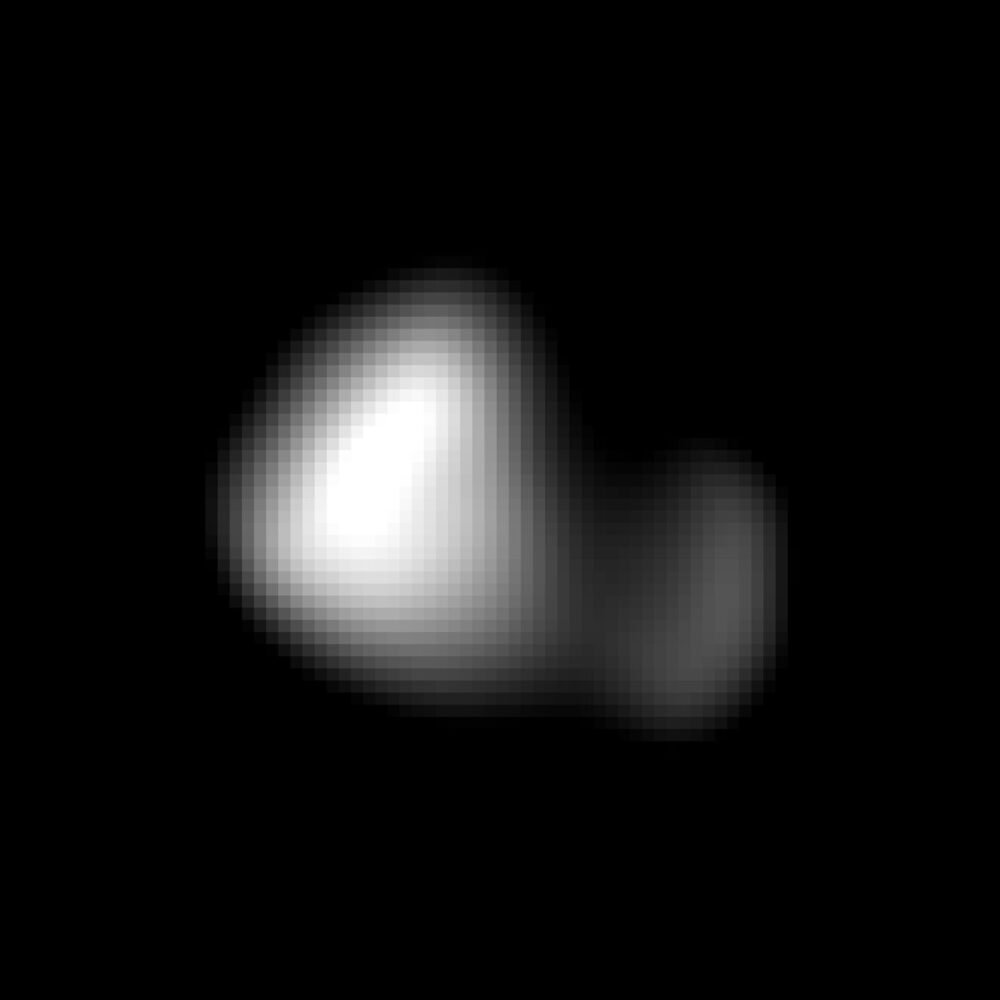
June 28, 2011: Kerberos is discovered
On June 28, 2011, Pluto’s moon Kerberos was discovered by a team using the Hubble Space Telescope, led by senior research scientist Mark Showalter. While the primary goal of the observing program was to identify both potential targets and potential…
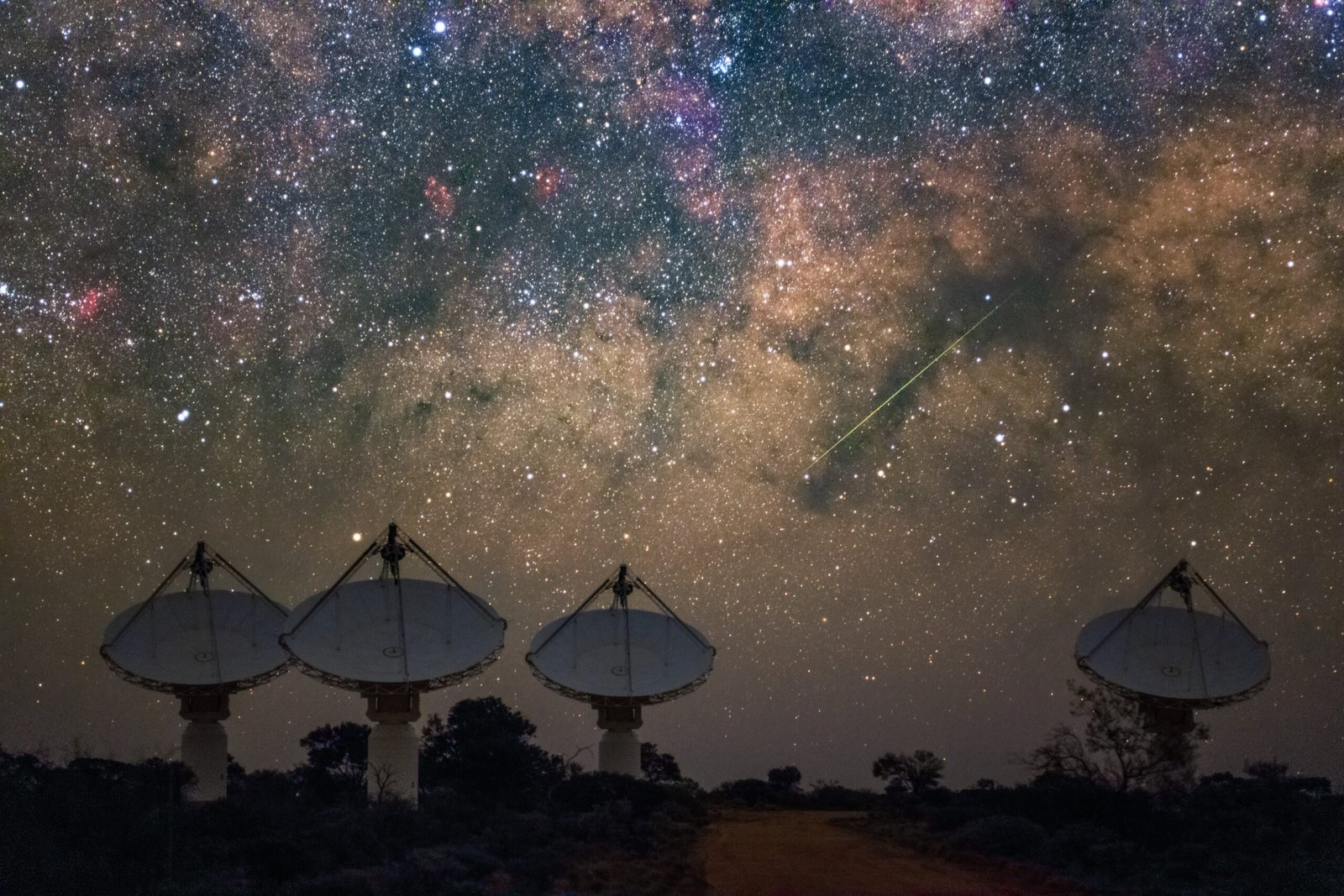
How a signal from a 60-year-old satellite baffled astronomers for over a year
Around midday on June 13 last year, my colleagues and I were scanning the skies when we thought we had discovered a strange and exciting new object in space. Using a huge radio telescope, we spotted a blindingly fast flash of radio waves that appeared to…