

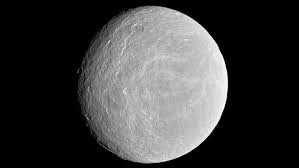
Rhea: Saturn’s Icy, Cratered Moon with a Thin Oxygen Atmosphere

Rhea is Saturn’s second-largest moon and is approximately half the size of Earth’s Moon. It is primarily composed of water ice with a substantial rocky core, consisting of about three-quarters ice and one-quarter rock. Rhea has a very thin, tenuous…
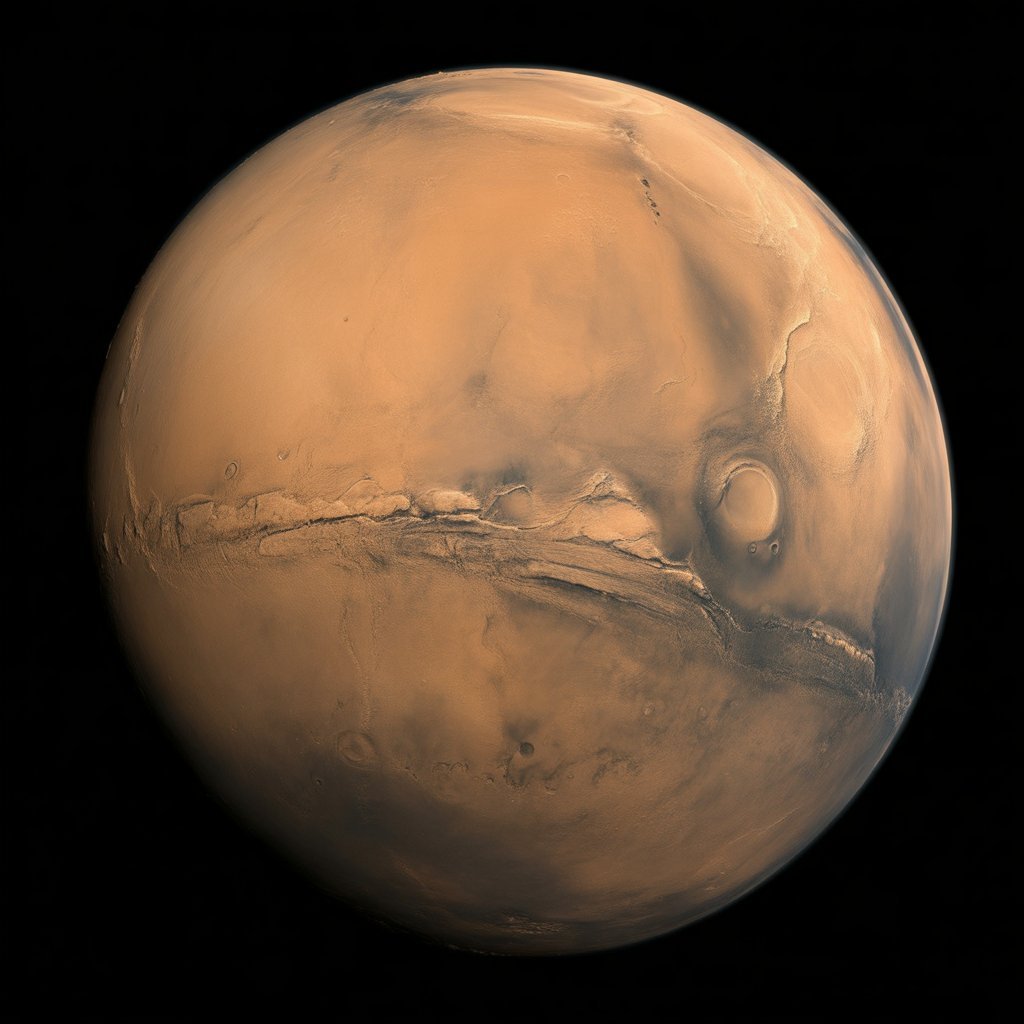
Titan: Saturn’s Moon with Atmosphere, Lakes, and Organic Haze
Titan, Saturn’s largest moon, has a dense, planet-like atmosphere composed mainly of nitrogen (95%) and methane (5%), with a surface pressure slightly higher than Earth’s. Unique among moons, Titan hosts stable bodies of liquid methane and ethane,…
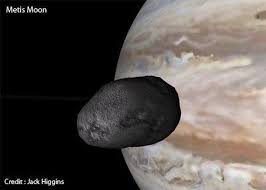
Metis: Jupiter’s Closest Moon Feeding Its Main Ring
Metis is the innermost known moon of Jupiter, orbiting within the planet’s main ring system. It has a very short orbital period, completing a full orbit in just about 7 hours. Because it is so close to Jupiter, Metis is tidally locked, meaning the same…
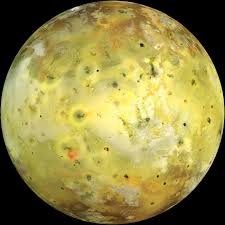
Io: Jupiter’s Volcanic Moon Fueled by Tidal Heating
Io is the most volcanically active moon in our solar system, orbiting the planet Jupiter. It hosts over 400 active volcanoes, with lava fountains that can reach dozens of miles into space. The surface features vast lakes of molten silicate lava, such as…
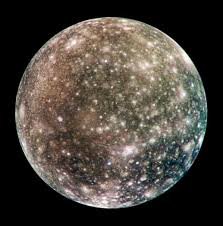
Callisto: Jupiter’s Mysterious Moon That Might Harbor Life
Callisto, once dismissed as a “boring” and “ugly duckling moon,” is now considered a potential host for alien life. Early scientists saw it as just a crater-covered hunk of rock and ice, with no signs of volcanic or tectonic…
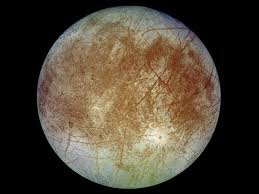
History, Naming, and Discovery of Europa: Jupiter’s Mysterious Icy Moon
Europa, along with Jupiter’s three other large moons—Io, Ganymede, and Callisto—was discovered by Galileo Galilei on 8 January 1610, and possibly independently by Simon Marius. On 7 January, Galileo observed Io and Europa together using a…
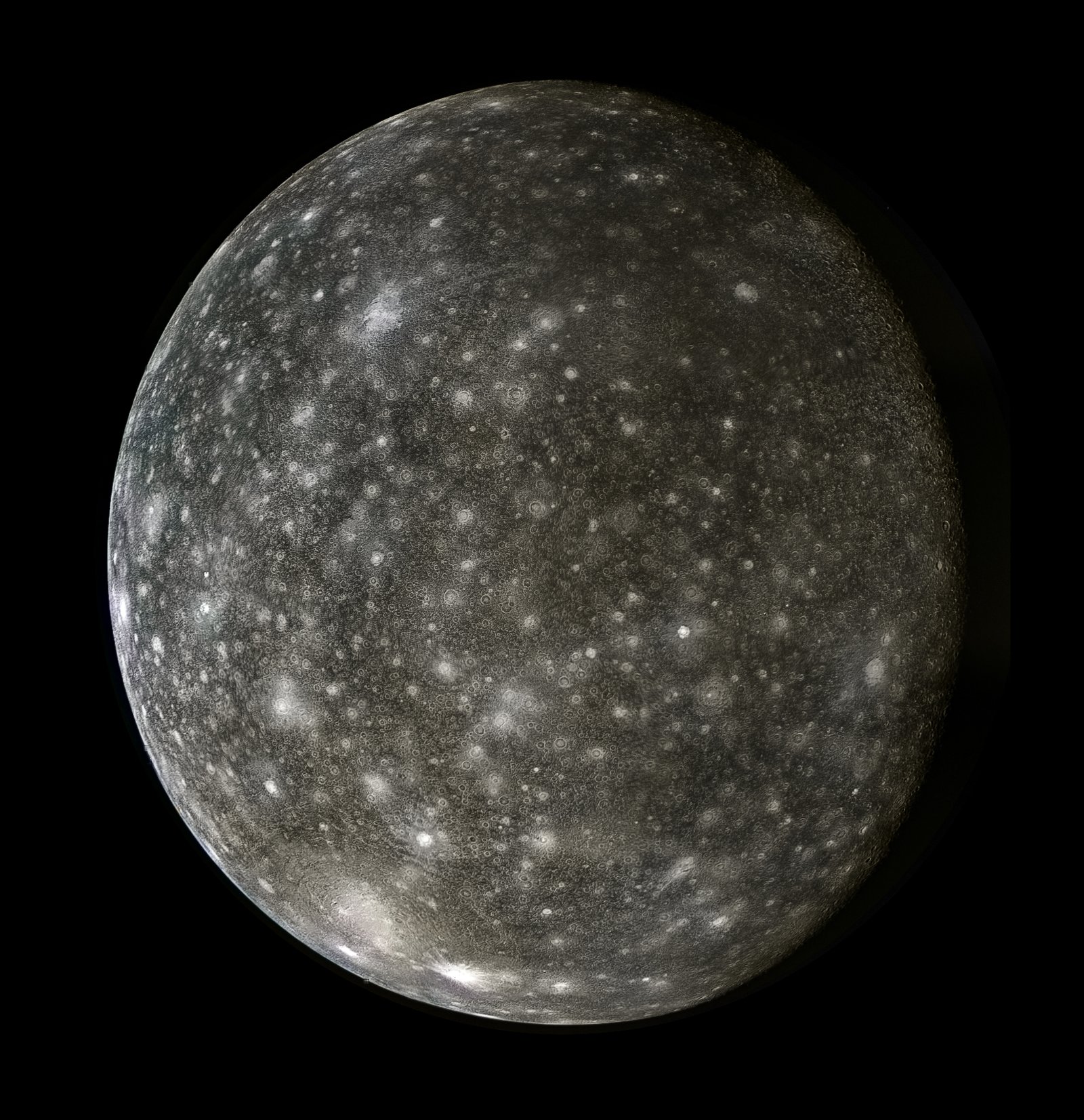
Ganymede: Largest Moon, Magnetic Field, Subsurface Ocean Facts
Ganymede is Jupiter’s largest moon and the biggest moon in the entire solar system, even surpassing the planet Mercury in size. With a diameter of approximately 5,260 kilometers, Ganymede is larger than Mercury. It is the only known moon with its own…
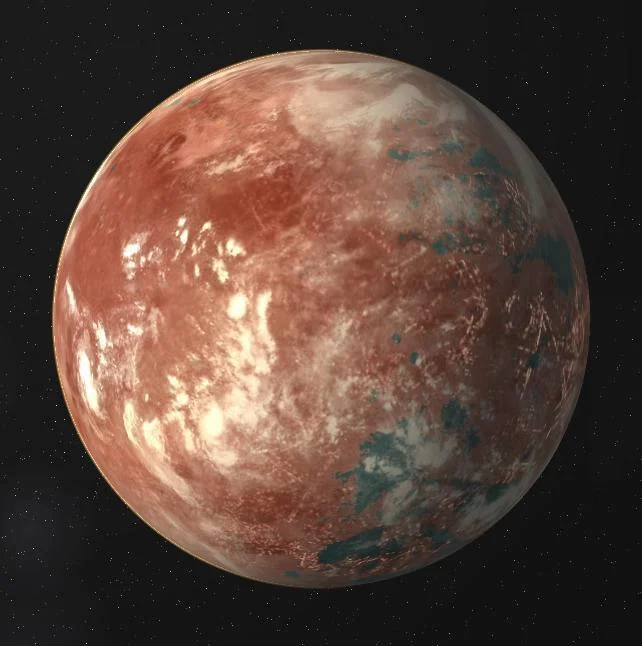
The Mysterious Planet Vulcan: Myth, Discovery Claims, and Disproof Explained
Vulcan was a proposed planet that some pre-20th-century astronomers believed existed in an orbit between Mercury and the Sun. Speculation about intermercurial bodies—objects orbiting inside Mercury’s path—dates back to the early 17th century.…
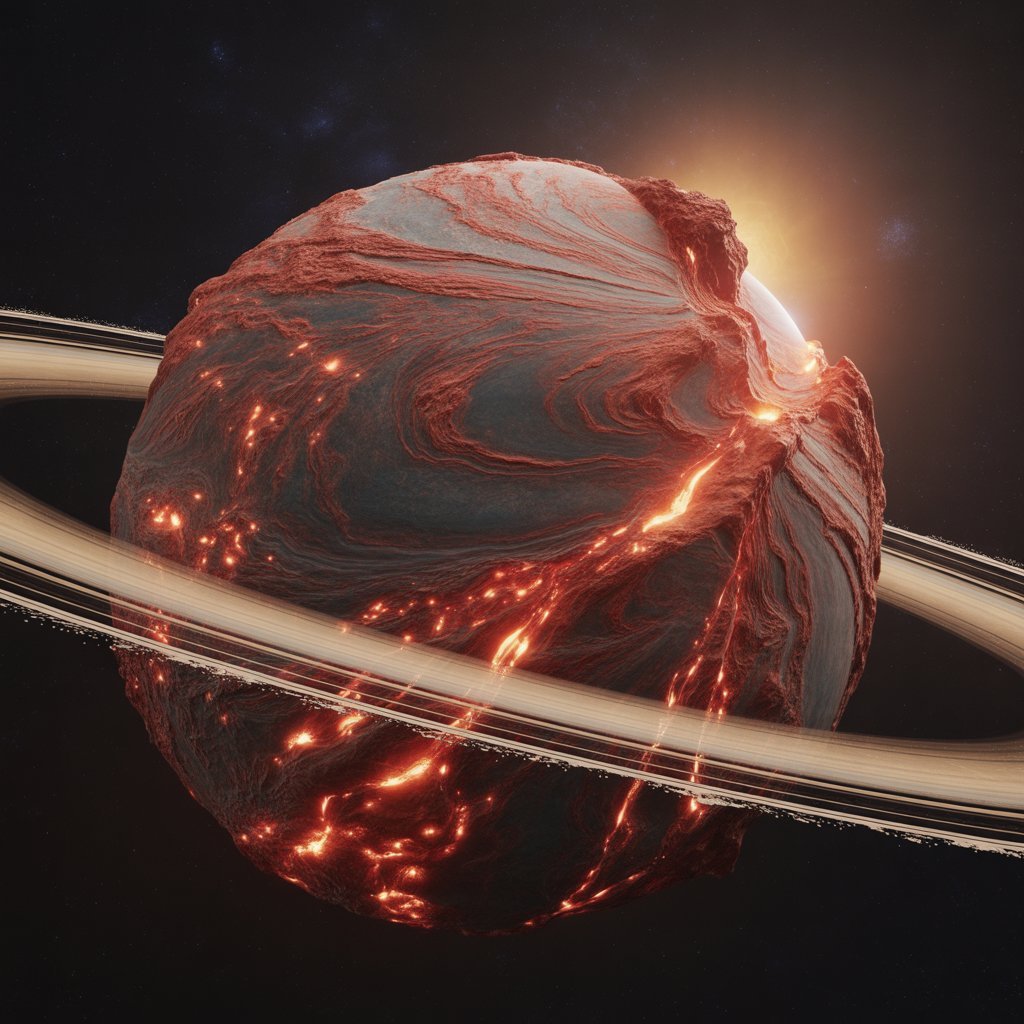
Theia and the Giant Impact Hypothesis: Origins of Earth’s Moon
In Greek mythology, Theia was one of the Titans, the sister and later wife of Hyperion, and the mother of Selene, the goddess of the Moon. This mythological narrative interestingly parallels the scientific theory regarding the planet Theia’s role in the…
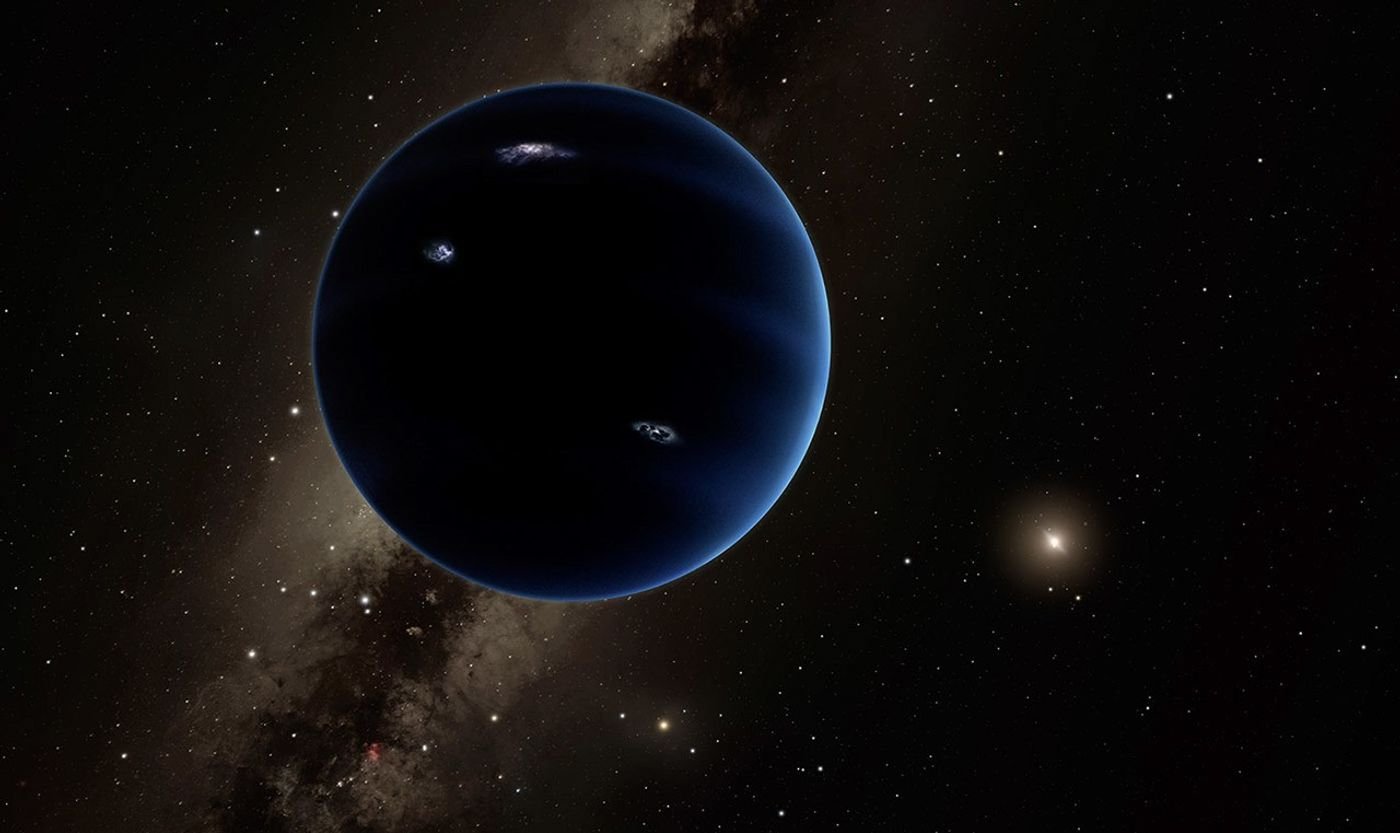
Evidence and Search for Planet Nine: A Hypothetical Giant
In January 2016, astronomers Konstantin Batygin and Mike Brown from the California Institute of Technology (Caltech) announced research suggesting the existence of a planet about 1.5 times the size of Earth in the outer solar system. This theoretical…