
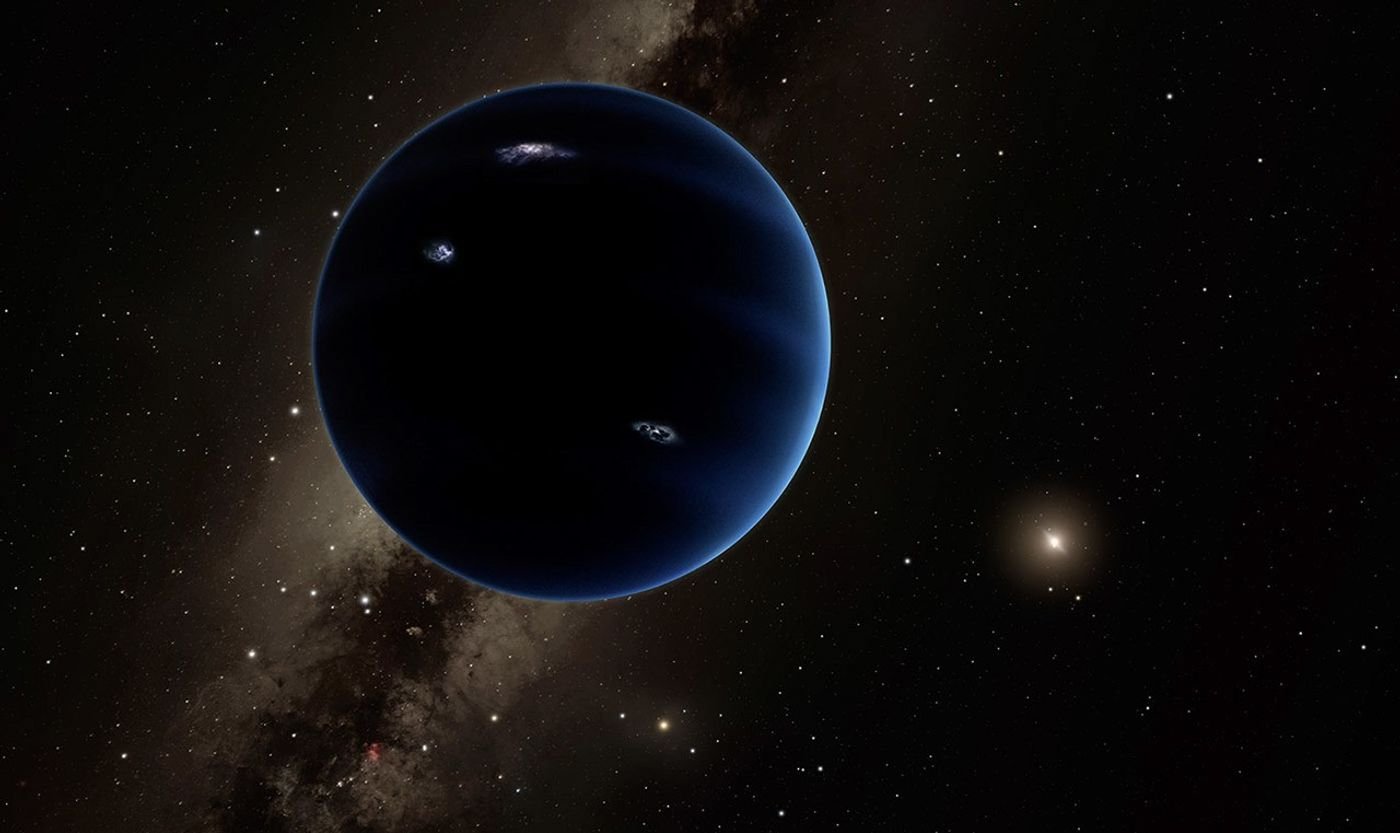
Evidence and Search for Planet Nine: A Hypothetical Giant

In January 2016, astronomers Konstantin Batygin and Mike Brown from the California Institute of Technology (Caltech) announced research suggesting the existence of a planet about 1.5 times the size of Earth in the outer solar system. This theoretical…

Oort Cloud Explained: Distance, Formation, Structure, and Comet Origins
The Oort Cloud is the most distant region in our solar system, and it’s jaw-droppingly far away, extending perhaps one-quarter to halfway from our Sun to the next star.To appreciate the distance to the Oort Cloud, it’s helpful to set aside miles…

What Is a Black Hole? Origins, Physics & Discovery Explained
A black hole is a massive, compact astronomical object so dense that its gravity prevents anything—even light—from escaping. Albert Einstein’s theory of general relativity predicts that a sufficiently compact mass will form a black hole. The boundary…

Full Moon Tonight: July 10, 2025 – Meaning, Color, and Visibility Explained
Today, July 10, 2025, the Moon is in its Full Moon phase, one of the most visually striking lunar phases. During this phase, the entire face of the Moon that faces Earth is fully illuminated by the Sun, making it appear as a complete, bright circle in…
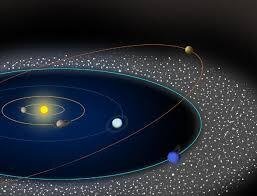
The Kuiper Belt: A Gateway to the Early Solar System
The name Kuiper is of Dutch origin and is an occupational surname meaning “cooper,” or barrel maker. In astronomy, however, the Kuiper Belt refers to a vast region of the outer solar system named after Dutch-American astronomer Gerard Kuiper,…
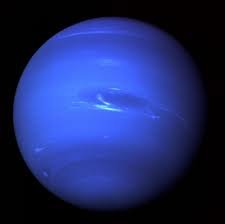
Neptune: The Distant Blue Giant with Supersonic Winds and a Mysterious Moon
Neptune is the eighth and most distant known planet in our Solar System, named after the Roman god of the sea. It is classified as an ice giant, characterized by its deep blue color, extreme atmospheric winds, and faint ring system. Neptune has 14 known…
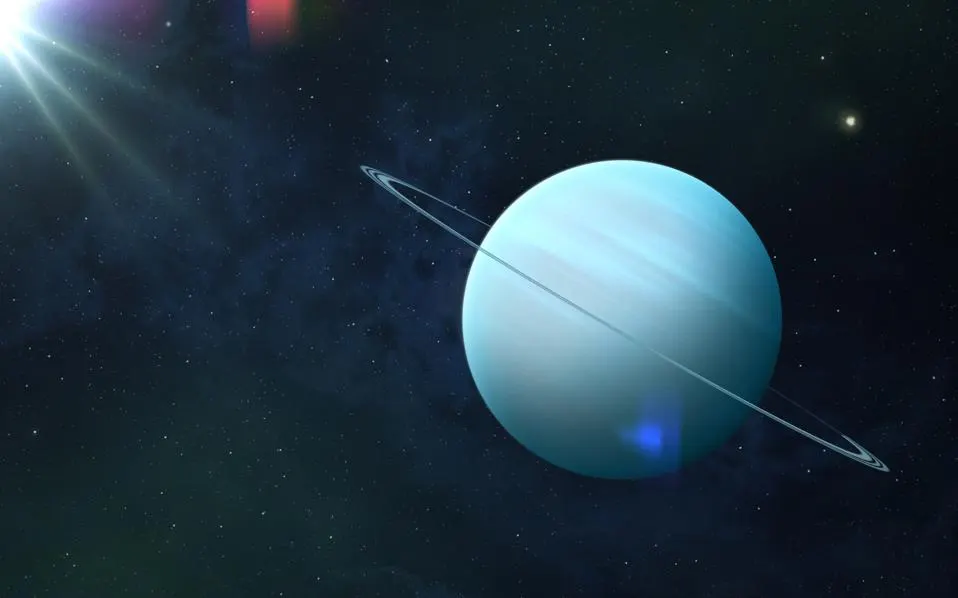
Uranus: The Ice Giant with Extreme Seasons, Dark Rings & Mysterious Climate
Uranus is the seventh planet from the Sun and is classified as a gaseous, cyan-colored ice giant. Most of the planet is composed of water, ammonia, and methane in a supercritical phase of matter, commonly referred to in astronomy as “ice” or…
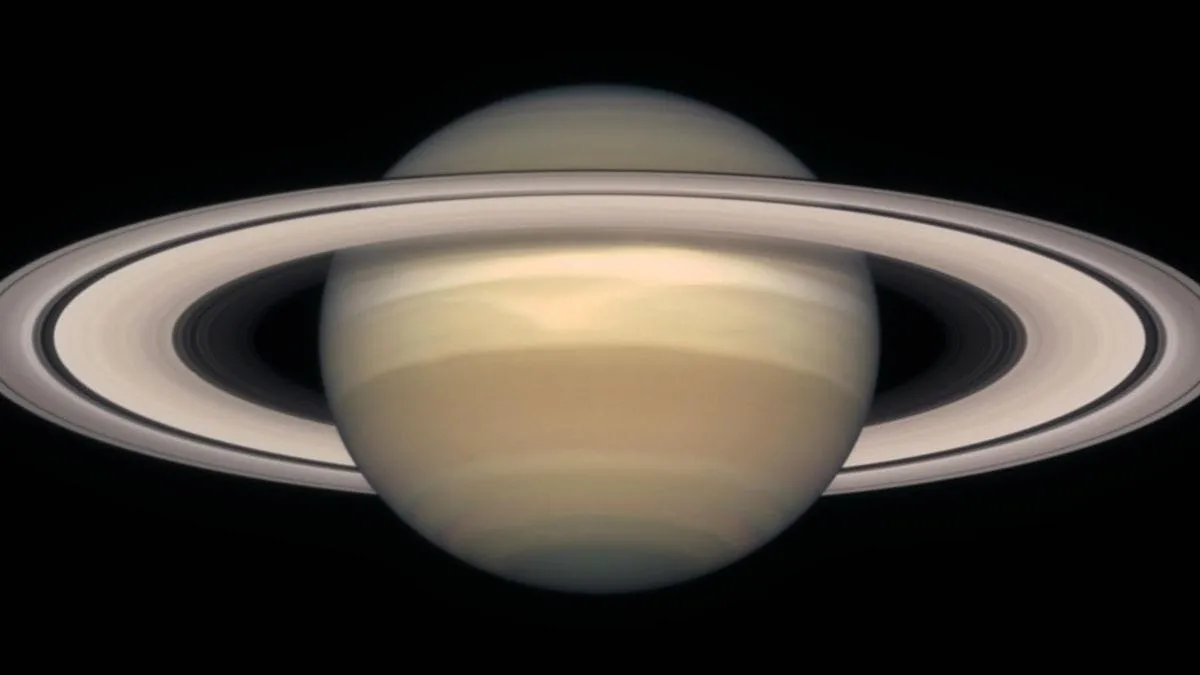
Saturn: The Ringed Gas Giant and Second Largest Planet in the Solar System
Saturn is the sixth planet from the Sun and the second-largest in the Solar System, after Jupiter. It is a gas giant with an average radius about nine times that of Earth. Although it has only one-eighth the average density of Earth, it is over 95 times…
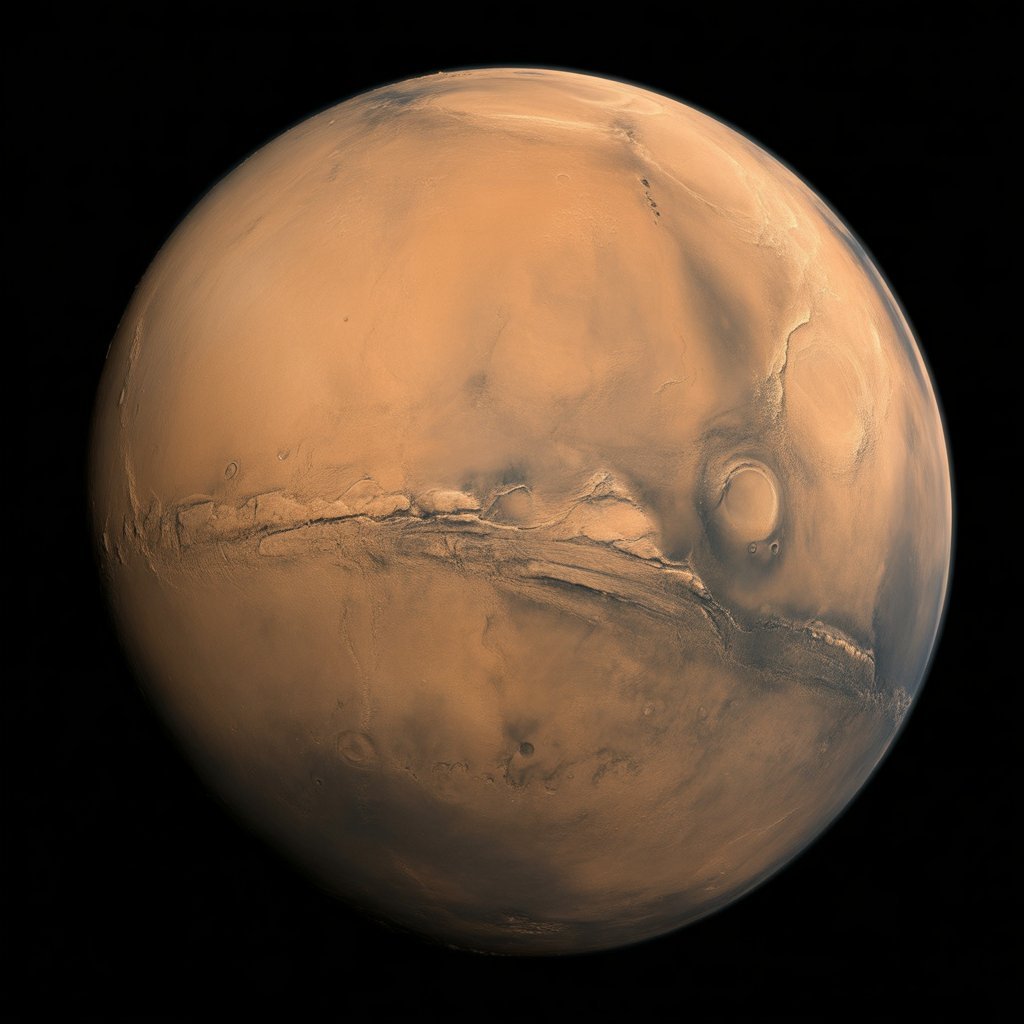
Mars: Facts About the Red Planet, Its Moons, Surface, and NASA Missions
Mars is the fourth planet from the Sun and is often called the “Red Planet” due to its reddish appearance, which is caused by iron oxide (rust) on its surface. It was named after Mars, the Roman god of war. According to Roman mythology, some…
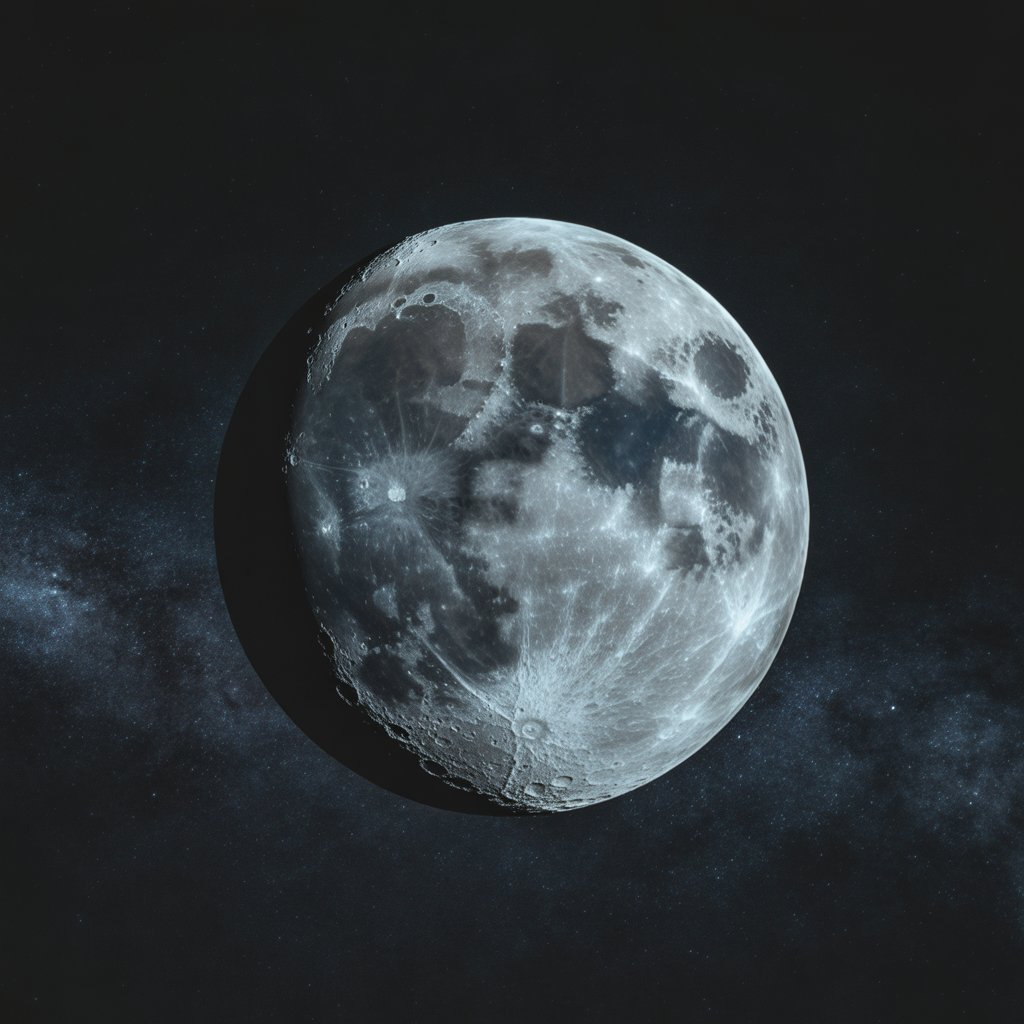
The Moon: Earth’s Only Natural Satellite
The Moon, also known as Luna, is Earth’s only natural satellite. One widely accepted theory suggests that the Moon formed billions of years ago when a Mars-sized celestial body named Theia collided with the early Earth. The debris from this massive…